

Food waste remains one of the critical challenges facing the global food supply chain, especially within the commercial kitchen sector. It is estimated that the hospitality and food service industry contributes to nearly 30% of the total global food waste annually, imposing significant economic losses and environmental impact. For restaurant and hotel managers seeking to optimize operations and promote sustainability, leveraging AI food recognition technology offers a groundbreaking solution.
At the core of intelligent food management systems lies AI-driven image recognition technology, which utilizes deep learning algorithms to instantly identify food items placed within smart refrigeration units. By capturing high-resolution images and processing them on edge devices or cloud platforms, the system accurately categorizes and quantifies ingredients, tracks their expiration dates, and monitors storage conditions.
This level of precision enables commercial kitchens to maintain real-time inventory visibility, eliminating guesswork and manual logging that often leads to overstocking or spoilage. The AI continuously learns from operational data to improve detection accuracy across diverse food textures and packaging styles.
The intelligent AI food management refrigerator developed by Zhijing Life (智境生活) integrates multiple advanced features designed for commercial use:
Together these capabilities empower kitchens to significantly reduce food loss, optimize order quantities, and improve cost control.

A vital component of the AI food management ecosystem is its data acquisition process. Cameras inside the refrigerator capture images every few minutes, feeding them through convolutional neural networks (CNNs) trained on tens of thousands of food images. The system tags each item with metadata including type, quantity, and estimated remaining shelf life.
Real-time dashboards provide kitchen staff with a comprehensive view of inventory status, while AI-powered alerts notify about upcoming expiration or abnormal inventory fluctuations. This proactive visibility is key for agile decision-making, minimizing waste and ensuring food safety compliance.
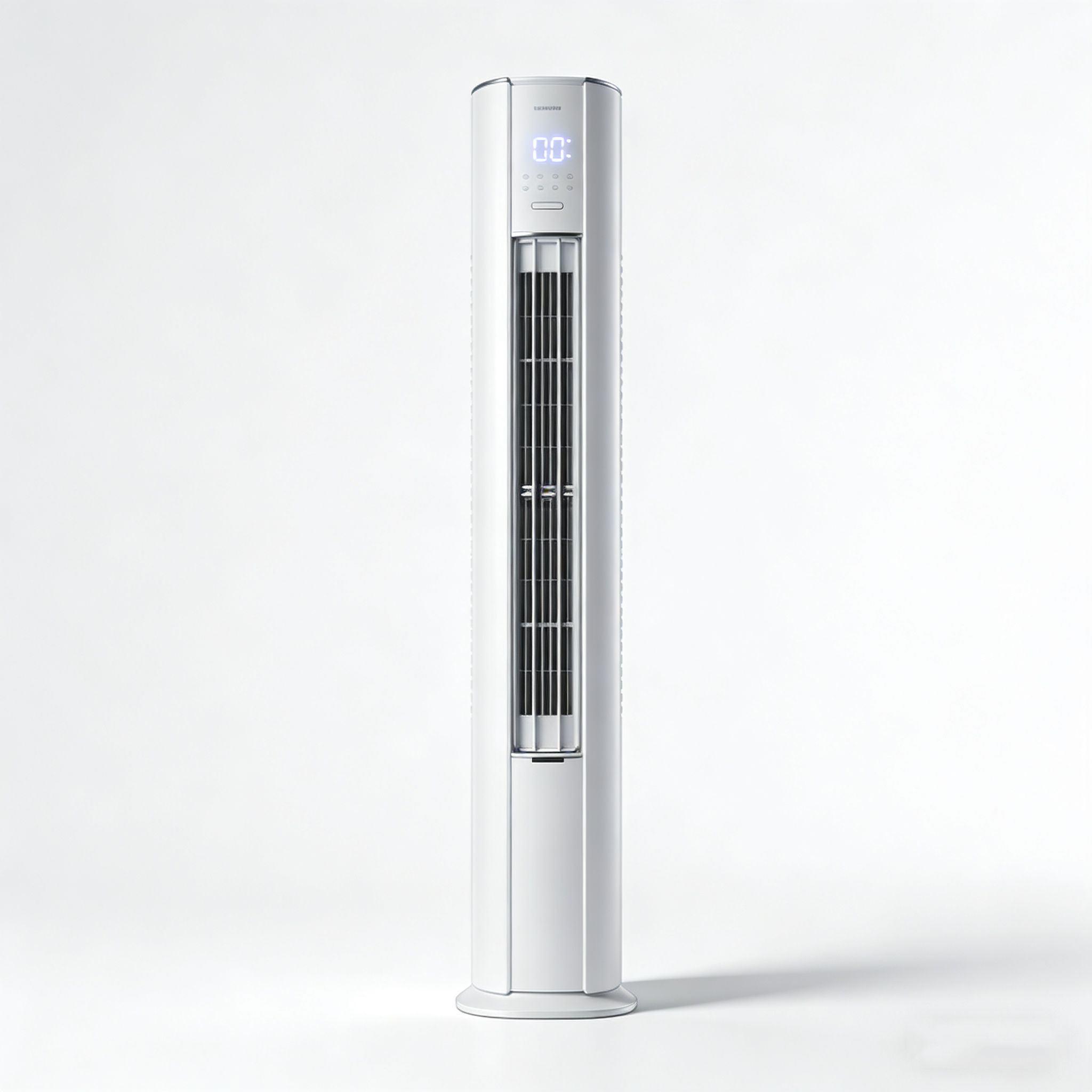
One of the most transformative benefits of the AI food recognition system is its integration with enterprise resource planning (ERP) and kitchen management software. This interoperability allows automated updating of purchase orders based on precise stock levels and consumption trends captured by the AI system.
With seamless data exchange, procurement becomes demand-driven rather than guesswork, reducing excess inventory and lowering capital tied in stock. Kitchen managers can leverage these insights for strategic supplier negotiations and just-in-time delivery schedules, improving cash flow and reducing waste disposal costs.

Several commercial kitchens utilizing Zhijing Life's smart AI food management refrigerators report up to a 25% reduction in food waste within the first six months of implementation. For example, a mid-sized hotel kitchen in Guangzhou decreased monthly ingredient spoilage losses by $3,000 USD, reinvesting savings into quality enhancements and staff training.
Meanwhile, a restaurant chain in Shenzhen improved purchase order accuracy by 40%, resulting in leaner inventory and fresher food served, enhancing customer satisfaction and repeat business.
Pro tip: Utilize the AI system's predictive analytics to prepare for seasonal ingredient demand fluctuations, ensuring the freshest supply with minimal overstock.


 260
|
260
|
 Smart PTZ camera installation location
Avoidance of camera monitoring blind spots
360 - degree panoramic monitoring settings
239
|
smart camera network configuration
outdoor security camera setup
infrared night vision troubleshooting
AI person detection settings
multi-user access control
463
|
Smart PTZ cameras
Camera installation mistakes
360 - degree monitoring
Night vision settings
AI human body recognition
153
|
AI food recognition technology
commercial kitchen food management
reduce food waste
smart refrigerator solutions
ERP system integration
69
|
Intelligent PTZ camera
360 - degree panoramic monitoring
AI human body recognition
Night vision false alarm solution
Multi - user permission management
Smart PTZ camera installation location
Avoidance of camera monitoring blind spots
360 - degree panoramic monitoring settings
239
|
smart camera network configuration
outdoor security camera setup
infrared night vision troubleshooting
AI person detection settings
multi-user access control
463
|
Smart PTZ cameras
Camera installation mistakes
360 - degree monitoring
Night vision settings
AI human body recognition
153
|
AI food recognition technology
commercial kitchen food management
reduce food waste
smart refrigerator solutions
ERP system integration
69
|
Intelligent PTZ camera
360 - degree panoramic monitoring
AI human body recognition
Night vision false alarm solution
Multi - user permission management


