Selecting the right air purifier is vital for ensuring optimal indoor air quality. The challenge lies in matching the purifier’s capability to the size of the indoor space, its pollution sources, and usage patterns. This guide, backed by scientific principles and practical insights from Zhijing Life, explores how buyers can select the perfect intelligent air purifier tailored to room dimensions from 20 to 60 square meters, whether for home, office, or hotel environments.
The Clean Air Delivery Rate (CADR) is a key performance metric indicating the volume of purified air an air purifier delivers per hour, usually measured in cubic meters per hour (m³/h). Proper matching between the room volume (length × width × height) and the CADR value prevents underperformance or overuse of energy.
For instance, for a 25 m² room with a standard ceiling height of 2.5 meters (total volume 62.5 m³), a purifier with a CADR of at least 150-180 m³/h is recommended to achieve 2.5 air changes per hour. This ensures effective removal of airborne pollutants like PM2.5, VOCs, and formaldehyde within 20-30 minutes.
Key data: Experts suggest 1 to 3 air changes per hour based on different space usage—homes may need fewer cycles compared to heavily occupied offices.
Identifying the predominant pollution type in the indoor environment guides filter choice. Common pollutants include particulate matter (PM2.5), volatile organic compounds (VOCs), and formaldehyde.
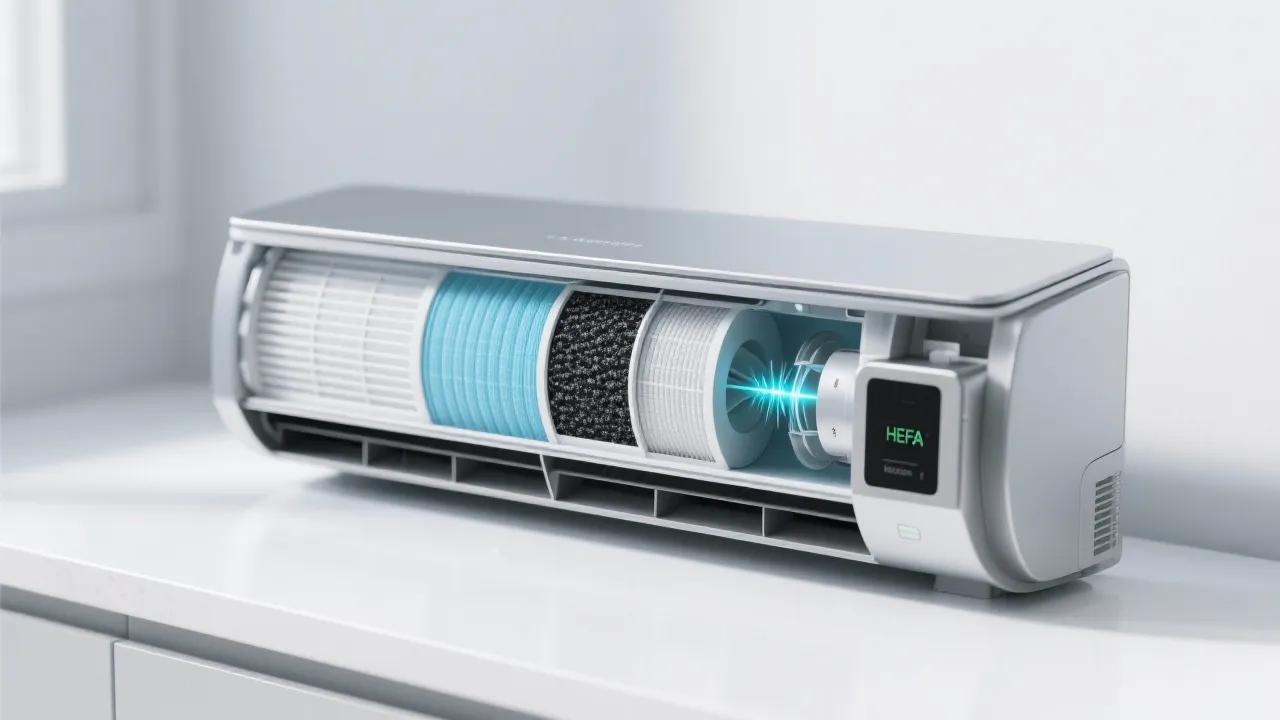
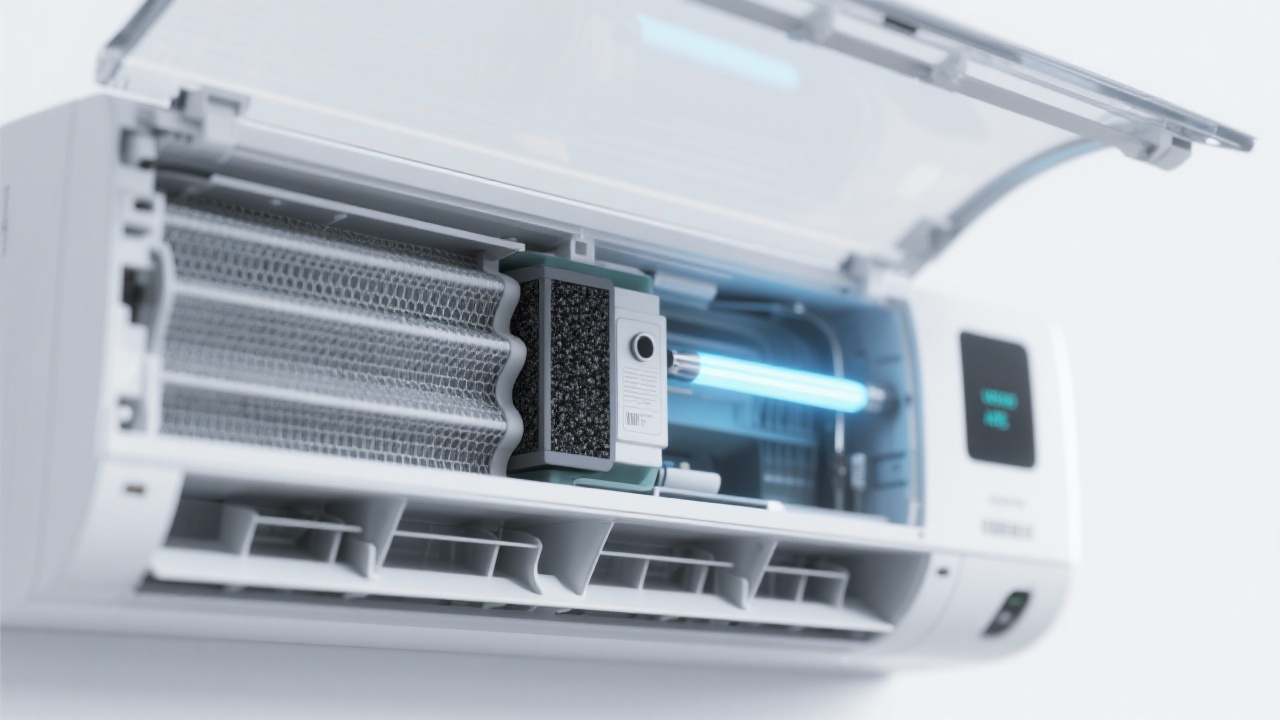
By selecting an air purifier with a combination of HEPA and activated carbon filters, users can ensure broader pollutant coverage.
The intensity of purifier usage directly affects the choice of power, filter replacement cycles, and smart operation modes.
- For continuous 24/7 operation in commercial settings such as hotels or offices, models with enhanced motor durability and easy filter maintenance are optimal.
- For residential use with occasional peaks (e.g., cooking times), purifiers with intelligent sensors and automatic mode adjustments are recommended to save energy without sacrificing air quality.
Different scenarios demand unique selections:
Practical Advice: For a 40m² office with moderate occupancy, a purifier with a CADR around 250-300 m³/h combined with both HEPA and activated carbon filters works best.
Modern air purifiers incorporating smart features greatly enhance usability:
These smart functionalities ensure sustained indoor comfort and significant energy savings, aligning well with environmentally conscious lifestyles.
To assist in fast and precise model selection, the following logic table is recommended:
| Room Size (m²) | Approx. Volume (m³) | Recommended CADR (m³/h) | Filter Types | Smart Features Priority |
|---|---|---|---|---|
| 20 | 50 | 120-150 | HEPA + Carbon | Remote Control, Quiet Mode |
| 40 | 100 | 250-300 | HEPA + Carbon + Formaldehyde | Filter Alerts, Energy Saving |
| 60 | 150 | 350-400 | Multi-stage HEPA + Carbon + Formaldehyde Catalytic | Auto Mode, Remote Control, Ultra Quiet |
Air purification solutions from Zhijing Life also emphasize sustainability and comfort. Intelligent algorithms adjust fan speeds based on detected pollutant levels, ensuring minimal energy consumption — often reducing electricity use by up to 20% compared to constant-speed purifiers.
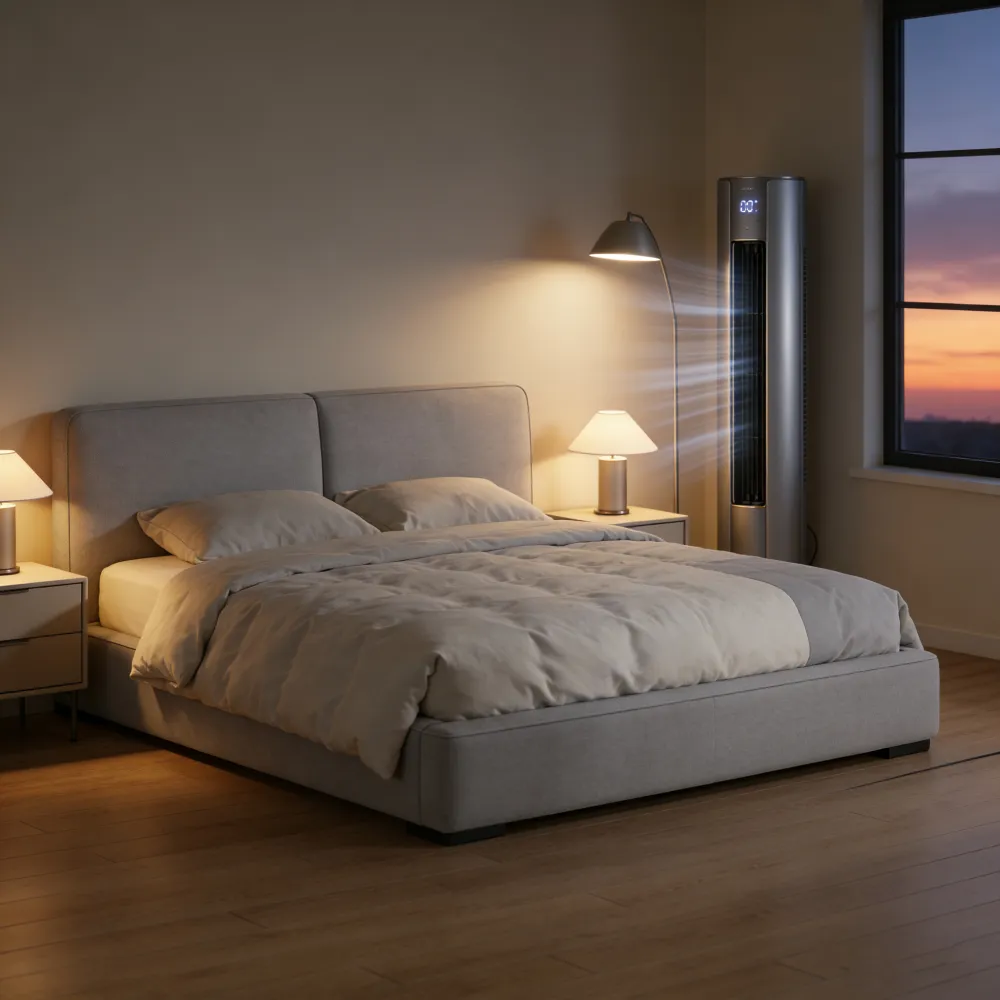
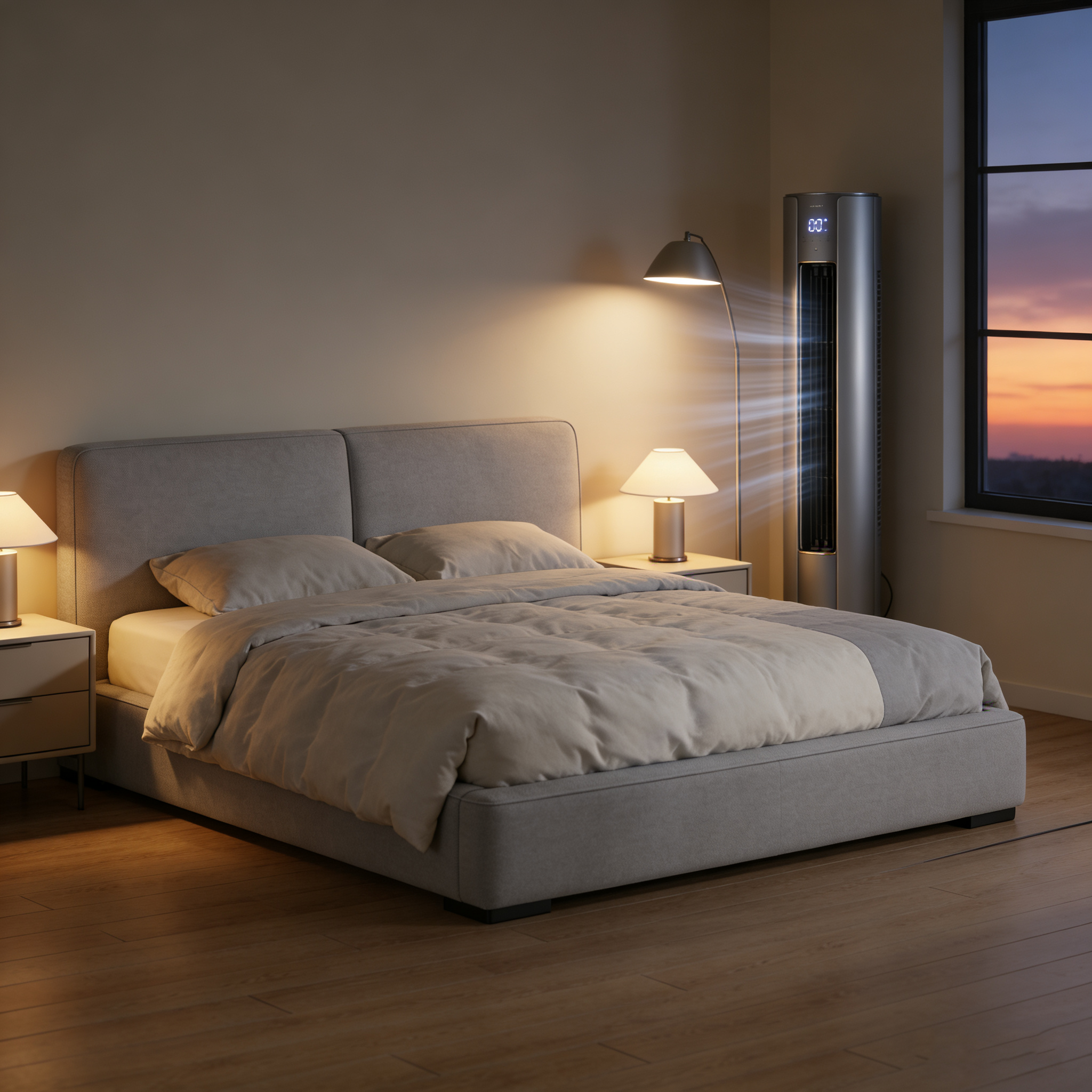
Furthermore, noise levels are engineered to stay under 30 decibels in sleep mode, allowing peaceful rest without compromising air quality.

Engage with our community:
Feel free to share your air purifier experiences and questions to help improve indoor air quality worldwide.


 139
|
139
|
 outdoor waterproof security camera
two-way audio communication
remote monitoring efficiency
cloud storage backup
PTZ control
99
|
AI human detection
security camera false alarm reduction
smart security camera
security alert accuracy
intelligent surveillance
72
|
Multi - layer air purification
HEPA filter purification effect
Indoor air quality improvement
Air filtration system
Intelligent inverter air conditioner
323
|
smart lock unlocking methods
semiconductor fingerprint recognition
password security
bluetooth remote control
multi-factor unlocking risk management
464
|
Multi-layer air purification
HEPA filter purification effect
Indoor air quality improvement
Air filtration system performance
Automatic humidity control
outdoor waterproof security camera
two-way audio communication
remote monitoring efficiency
cloud storage backup
PTZ control
99
|
AI human detection
security camera false alarm reduction
smart security camera
security alert accuracy
intelligent surveillance
72
|
Multi - layer air purification
HEPA filter purification effect
Indoor air quality improvement
Air filtration system
Intelligent inverter air conditioner
323
|
smart lock unlocking methods
semiconductor fingerprint recognition
password security
bluetooth remote control
multi-factor unlocking risk management
464
|
Multi-layer air purification
HEPA filter purification effect
Indoor air quality improvement
Air filtration system performance
Automatic humidity control