

In today's world, indoor air quality has become a matter of great concern for many health - conscious individuals. Smart inverter air conditioners equipped with multi - layer air purification systems have emerged as an effective solution. This article aims to provide an in - depth understanding of these systems, focusing on their structure, performance, and proper maintenance.
The multi - layer air purification system in smart inverter air conditioners typically consists of a pre - filter, a HEPA filter, and an activated carbon layer. The pre - filter is the first line of defense. It captures large particles such as dust, hair, and lint. According to laboratory data, it can trap up to 80% of particles larger than 10 microns. The HEPA filter, on the other hand, is responsible for removing fine particles. It can capture up to 99.97% of particles as small as 0.3 microns, including PM2.5 and many common allergens. The activated carbon layer is mainly for removing odors and harmful gases, such as formaldehyde and benzene.
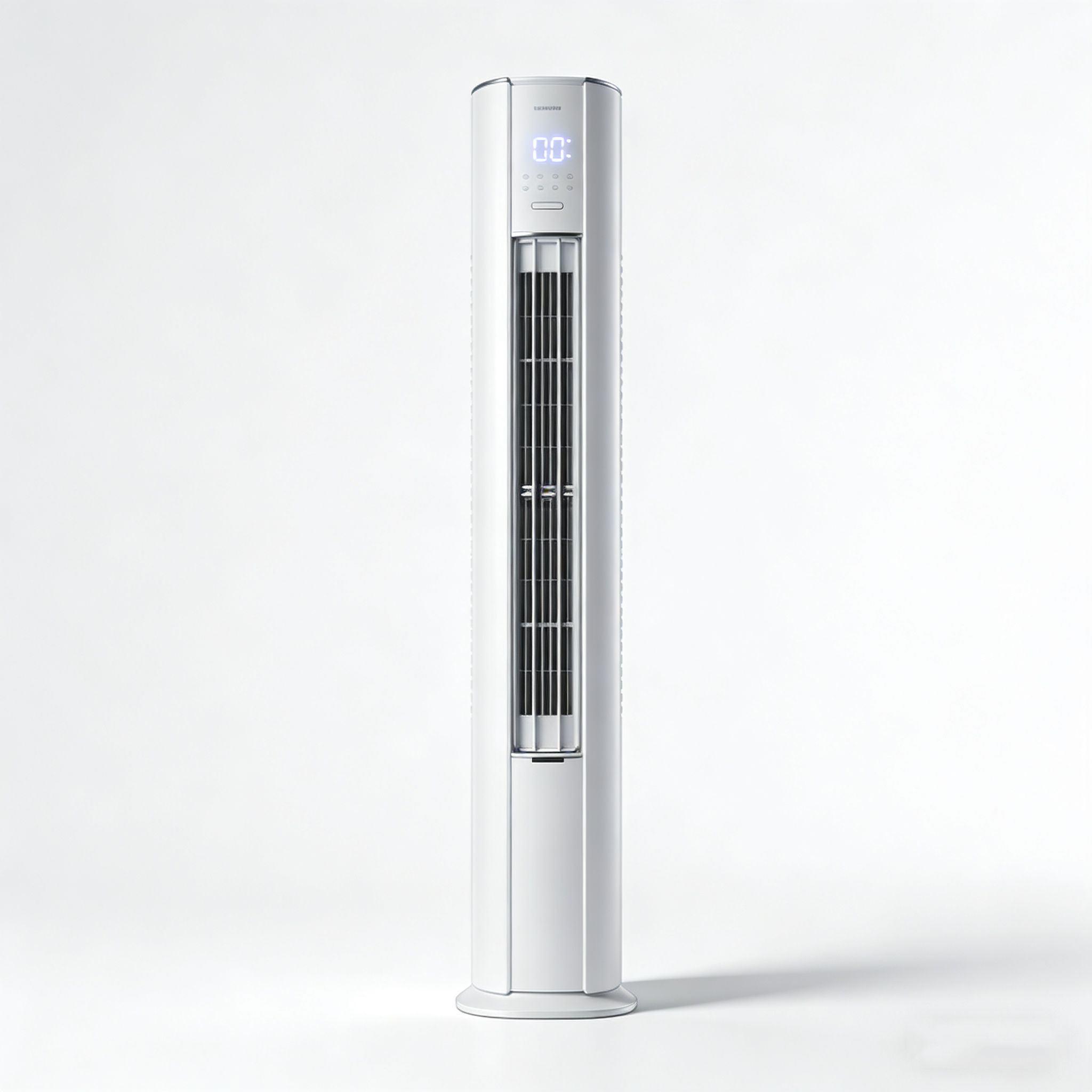
To illustrate the real - world performance of these systems, let's look at some actual user cases. In a family living in a polluted urban area, after installing a smart inverter air conditioner with a multi - layer air purification system, the indoor PM2.5 level dropped from an average of 80 micrograms per cubic meter to less than 20 micrograms per cubic meter within a week. Another user suffering from allergic rhinitis reported a significant reduction in allergic symptoms after using the air conditioner regularly, as the system effectively removed pollen and dust mites from the air.
It is crucial for users to know how to evaluate and identify the performance of various filters. For the pre - filter, a simple visual inspection can tell if it is dirty. A visibly clogged pre - filter usually indicates poor ventilation and reduced dust - capturing efficiency. The HEPA filter can be evaluated by monitoring the air quality index. A sudden increase in PM2.5 levels despite normal operation of the air conditioner may suggest a failing HEPA filter. For the activated carbon layer, a lingering odor in the room could be a sign that it needs replacement.
The pre - filter can be cleaned every 2 - 4 weeks. It can be gently vacuumed or washed with mild soap and water. The HEPA filter typically needs to be replaced every 6 - 12 months, depending on the usage and air quality in the area. The activated carbon layer should be replaced every 3 - 6 months. Regular maintenance not only ensures the best purification effect but also extends the lifespan of the air conditioner.
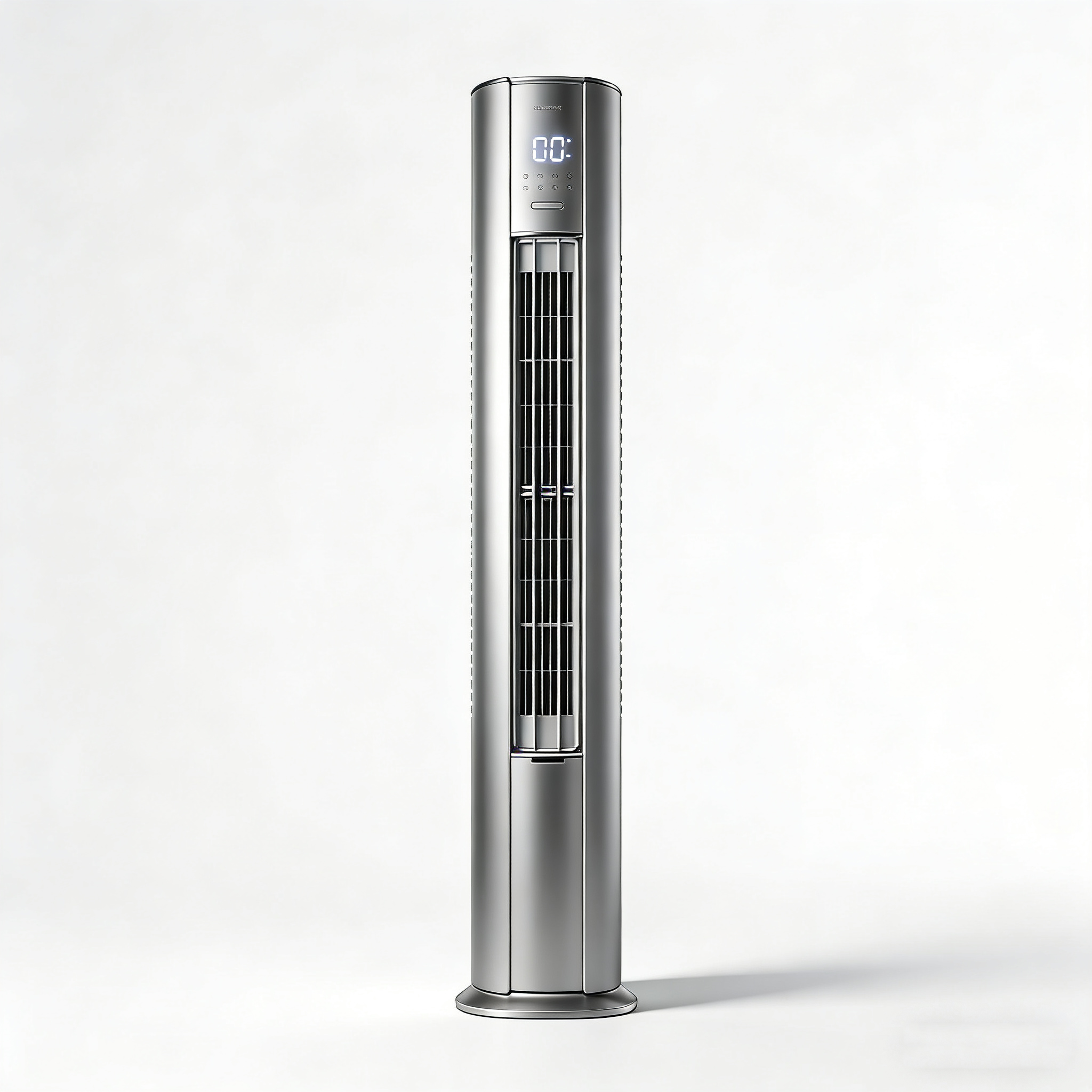
Apart from air purification, automatic humidity control in smart inverter air conditioners is another important aspect of indoor environment management. Maintaining an optimal humidity level between 40% - 60% can prevent the growth of mold and bacteria, and improve overall comfort. By integrating the multi - layer air purification system with automatic humidity control, users can achieve comprehensive indoor environment health management.
To experience the benefits of a top - notch multi - layer air purification system in your smart inverter air conditioner, click here for more information on product features and usage guides.


 246
|
246
|
 smart PTZ camera
infrared light settings
AI human detection
night vision optimization
reduce false alarms
463
|
Smart PTZ cameras
Camera installation mistakes
360 - degree monitoring
Night vision settings
AI human body recognition
246
|
360-degree smart PTZ camera installation
surveillance blind spot elimination
smart security camera setup
night vision optimization
multi-user access control
147
|
Multi - user permission management
Intelligent PTZ camera
Remote access settings
Home security system
Enterprise monitoring permissions
491
|
smart PTZ security camera
night vision optimization
infrared light adjustment
AI human detection
360-degree surveillance
smart PTZ camera
infrared light settings
AI human detection
night vision optimization
reduce false alarms
463
|
Smart PTZ cameras
Camera installation mistakes
360 - degree monitoring
Night vision settings
AI human body recognition
246
|
360-degree smart PTZ camera installation
surveillance blind spot elimination
smart security camera setup
night vision optimization
multi-user access control
147
|
Multi - user permission management
Intelligent PTZ camera
Remote access settings
Home security system
Enterprise monitoring permissions
491
|
smart PTZ security camera
night vision optimization
infrared light adjustment
AI human detection
360-degree surveillance


