

Ordinary locks, due to their simple structure and lack of advanced security features, are vulnerable to various forms of attacks. According to a security research report, approximately 70% of residential burglaries involve the easy bypassing of traditional locks. This statistic highlights the significant security risks associated with common locks, such as key duplication, lock picking, and brute - force attacks. These security vulnerabilities have long troubled users, making them eager for a more secure locking solution.

Smart lock anti - tampering technology is a revolutionary solution to address the security issues of ordinary locks. By integrating multiple advanced technologies, it provides comprehensive protection for users' property and personal safety. This technology not only enhances the security of locks but also meets the increasing demand for high - level security in cross - border markets.
Physical protection is the first line of defense for smart locks. Through structural reinforcement, the lock body is made of high - strength materials, such as hardened steel, which can resist external impacts and attempts at forced entry. For example, some smart locks use a multi - layer structure design, increasing the difficulty of prying. In addition, an anti - prying alarm system is installed. Once the lock is subjected to abnormal external force, such as prying or knocking, the alarm will be triggered immediately. A case study in a residential area showed that after installing smart locks with anti - prying alarm systems, the burglary rate decreased by 40%.
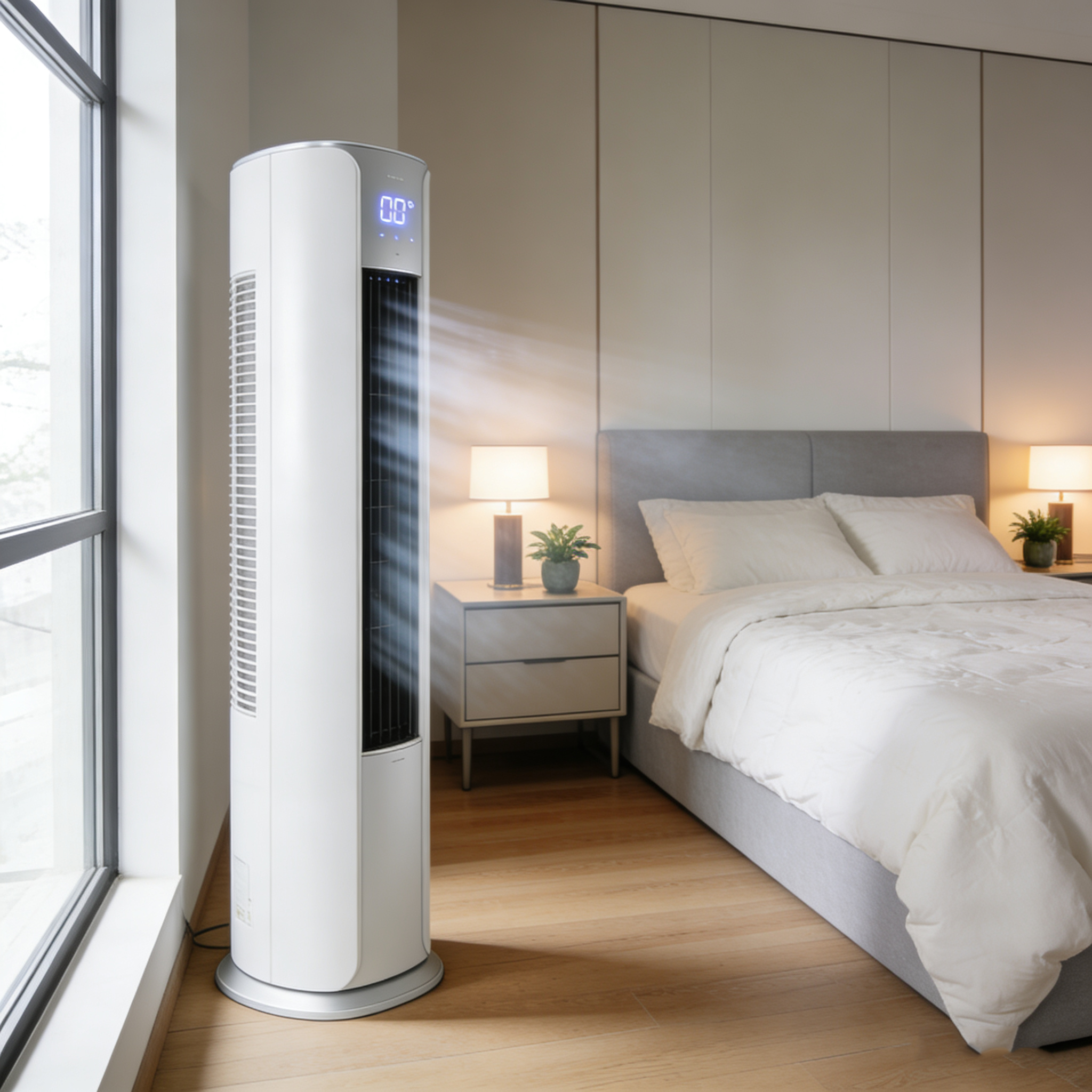
Electronic protection is a key part of smart lock anti - tampering technology. It uses sensors and algorithms to detect abnormal unlocking behavior. For instance, if an incorrect password is entered multiple times or an unauthorized fingerprint is detected, the system will immediately recognize it as an abnormal event. Once an abnormal event occurs, the lock can send real - time alerts to the user's mobile phone through a network connection. A commercial building in a city adopted smart locks with electronic protection mechanisms. In a year, the system successfully detected and reported 15 abnormal unlocking attempts, effectively preventing potential security threats.
Encrypted communication is crucial for ensuring the security of smart lock information. Smart locks use AES - 256 encryption technology, which is currently one of the most advanced encryption algorithms. This encryption method can effectively prevent information from being intercepted and tampered with during transmission. For example, when a user sends an unlocking command through a mobile app, the command is encrypted using AES - 256 before being transmitted to the lock. Even if the data is intercepted, the attacker cannot decrypt it without the correct key. This technology has been widely used in many high - security applications, ensuring the privacy and security of user information.
Key Point: AES - 256 encryption technology provides strong protection for the information security of smart locks, making the communication between the lock and the user's device highly secure.
In a large - scale residential community, after installing smart locks with anti - tampering technology, the property management reported a significant improvement in security. The anti - tampering technology effectively prevented several attempts at unauthorized entry. During the installation and debugging process, it is crucial to ensure that the sensors are correctly calibrated and the network connection is stable. For example, the anti - prying sensor needs to be adjusted to an appropriate sensitivity level to avoid false alarms.

Users should regularly update the lock's firmware to ensure that it has the latest security patches. They should also pay attention to the battery status of the lock to avoid system failures due to power shortages. In addition, when using the lock, users should keep the lock clean and avoid exposing it to harsh environmental conditions. By following these maintenance methods, the long - term stable operation of the lock can be ensured.
Smart lock anti - tampering technology is a powerful tool for enhancing the security of locks. Through its three - layered protection mechanisms, it provides comprehensive protection for users in various scenarios, including residential, commercial, and property management. To learn more about smart lock security design details, please visit our technical whitepaper.
 190
|
190
|
 smart ptz camera permission settings
multi user remote access
enterprise camera management
ai security camera access
360 degree surveillance system
246
|
smart PTZ camera
infrared light settings
AI human detection
night vision optimization
reduce false alarms
271
|
360 degree smart camera installation
PTZ camera placement tips
smart home security setup
cloud camera night vision optimization
wireless security camera configuration
388
|
smart PTZ camera installation
360 degree surveillance setup
cloud camera angle adjustment
AI motion detection tuning
night vision optimization
247
|
360-degree smart PTZ camera installation
surveillance blind spot elimination
smart security camera setup
night vision optimization
multi-user access control
smart ptz camera permission settings
multi user remote access
enterprise camera management
ai security camera access
360 degree surveillance system
246
|
smart PTZ camera
infrared light settings
AI human detection
night vision optimization
reduce false alarms
271
|
360 degree smart camera installation
PTZ camera placement tips
smart home security setup
cloud camera night vision optimization
wireless security camera configuration
388
|
smart PTZ camera installation
360 degree surveillance setup
cloud camera angle adjustment
AI motion detection tuning
night vision optimization
247
|
360-degree smart PTZ camera installation
surveillance blind spot elimination
smart security camera setup
night vision optimization
multi-user access control


