

In the realm of indoor air quality improvement, multi - layer air purification systems have emerged as a crucial solution. These systems typically consist of a pre - filter, a HEPA filter, and an activated carbon layer. The pre - filter acts as the first line of defense, capturing large particles such as dust and hair. According to laboratory data, it can remove up to 80% of particles larger than 10 microns. This not only protects the subsequent filters but also extends the overall lifespan of the air filtration system.
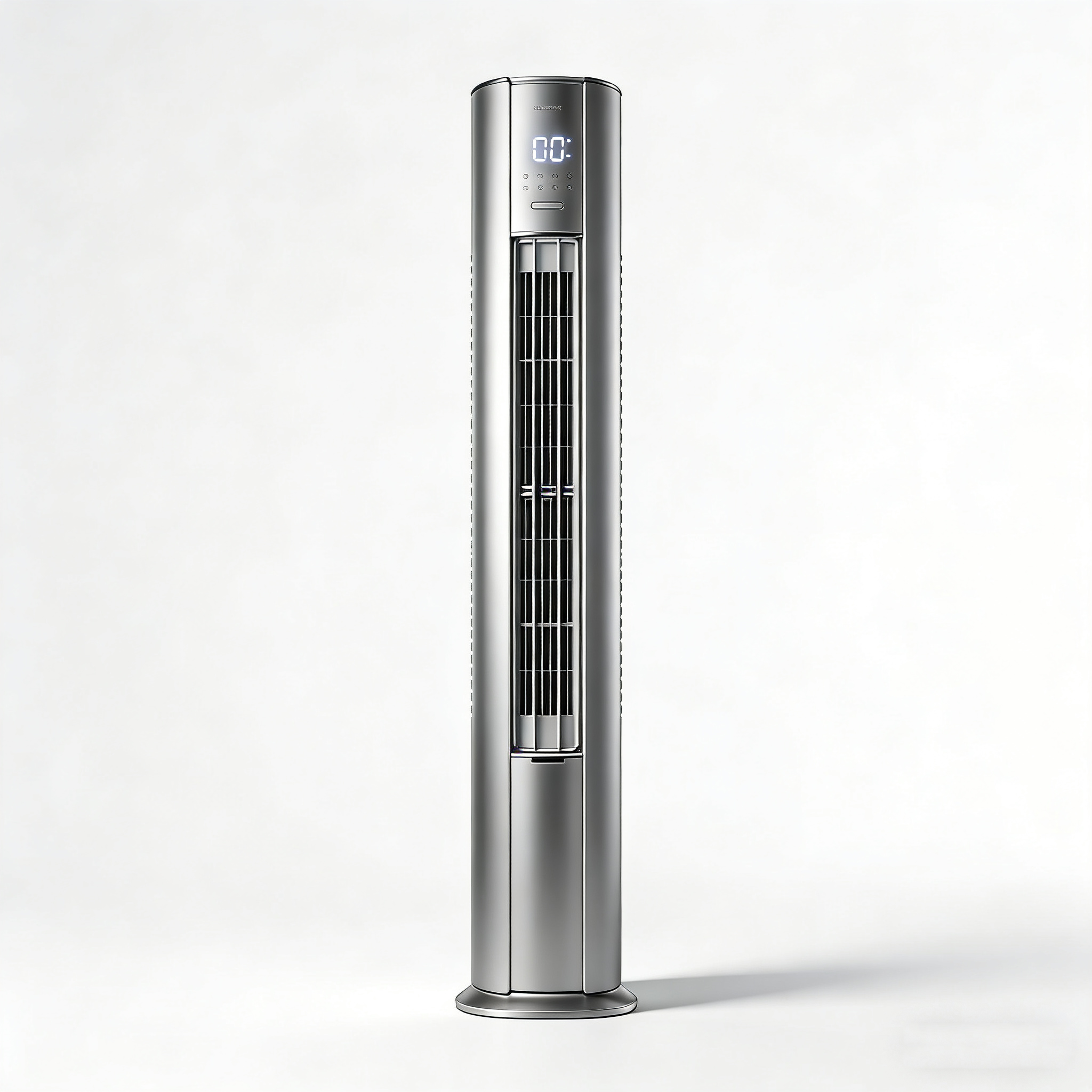
The HEPA filter, a core part of the system, is highly efficient in trapping fine particles. It can filter out 99.97% of particles as small as 0.3 microns, including PM2.5, pollen, and mold spores. Real - user feedback shows that in areas with high air pollution, the use of a HEPA filter can significantly reduce the concentration of PM2.5 in the indoor air, creating a healthier environment for residents.
The activated carbon layer is responsible for adsorbing odors and harmful gases. It can effectively remove volatile organic compounds (VOCs), smoke, and unpleasant smells. In a test environment, it was found that the activated carbon layer could reduce odors by up to 90% within a short period, greatly improving the comfort of the indoor environment.
Combined with laboratory data and real - user experiences, the purification system has remarkable effects on reducing PM2.5, allergens, and odors. For example, in a family with allergic patients, after installing the air purification system, the frequency of allergic reactions decreased by about 60%. The system maintains a stable and clean indoor air quality, which is also beneficial to long - term health.
To help users make professional judgments, it is crucial to understand the key indicators for evaluating filter performance. These include the Minimum Efficiency Reporting Value (MERV) for the pre - filter, the High - Efficiency Particulate Air (HEPA) rating for the HEPA filter, and the iodine number for the activated carbon layer. A higher MERV value indicates better performance of the pre - filter in capturing larger particles. A HEPA filter with a higher grade can filter out smaller particles more effectively. And a higher iodine number of the activated carbon layer means stronger adsorption capacity for harmful gases and odors.
Proper maintenance is essential to ensure the long - term effectiveness of the air filtration system. The pre - filter should be cleaned every 1 - 2 months, depending on the air quality. The HEPA filter usually needs to be replaced every 6 - 12 months, while the activated carbon layer may need replacement every 3 - 6 months. Regular cleaning and replacement can extend the service life of the equipment and maintain its optimal purification performance.
In addition to air purification, automatic humidity control also plays an important role in indoor environmental management. The automatic humidity control system can adjust the indoor humidity according to the set value, keeping it within the range of 40% - 60%, which is considered the most comfortable and healthy humidity level for human beings. When combined with a multi - layer air purification system, it can create a more comprehensive and comfortable indoor environment.
If you are interested in enhancing your indoor air quality and creating a healthier living or working environment, our intelligent air - conditioning products with advanced multi - layer air purification and automatic humidity control are your ideal choice. Click here to learn more.
 185
|
185
|
 smart ptz camera permission settings
multi user remote access
enterprise camera management
ai security camera access
360 degree surveillance system
221
|
Intelligent PTZ camera
Multi - user permission management
Team collaborative surveillance
360 - degree panoramic security
AI human body recognition
37
|
Multi - layer air purification
HEPA filter purification effect
Improvement of indoor air quality
Best practices for filter replacement
Air purification of intelligent variable - frequency air conditioners
247
|
smart PTZ camera installation
360 degree surveillance setup
AI motion detection configuration
night vision camera settings
multi-user access control
310
|
HEPA filter efficiency
indoor air purification
multi-layer air filters
air filter maintenance
automated humidity control
smart ptz camera permission settings
multi user remote access
enterprise camera management
ai security camera access
360 degree surveillance system
221
|
Intelligent PTZ camera
Multi - user permission management
Team collaborative surveillance
360 - degree panoramic security
AI human body recognition
37
|
Multi - layer air purification
HEPA filter purification effect
Improvement of indoor air quality
Best practices for filter replacement
Air purification of intelligent variable - frequency air conditioners
247
|
smart PTZ camera installation
360 degree surveillance setup
AI motion detection configuration
night vision camera settings
multi-user access control
310
|
HEPA filter efficiency
indoor air purification
multi-layer air filters
air filter maintenance
automated humidity control


