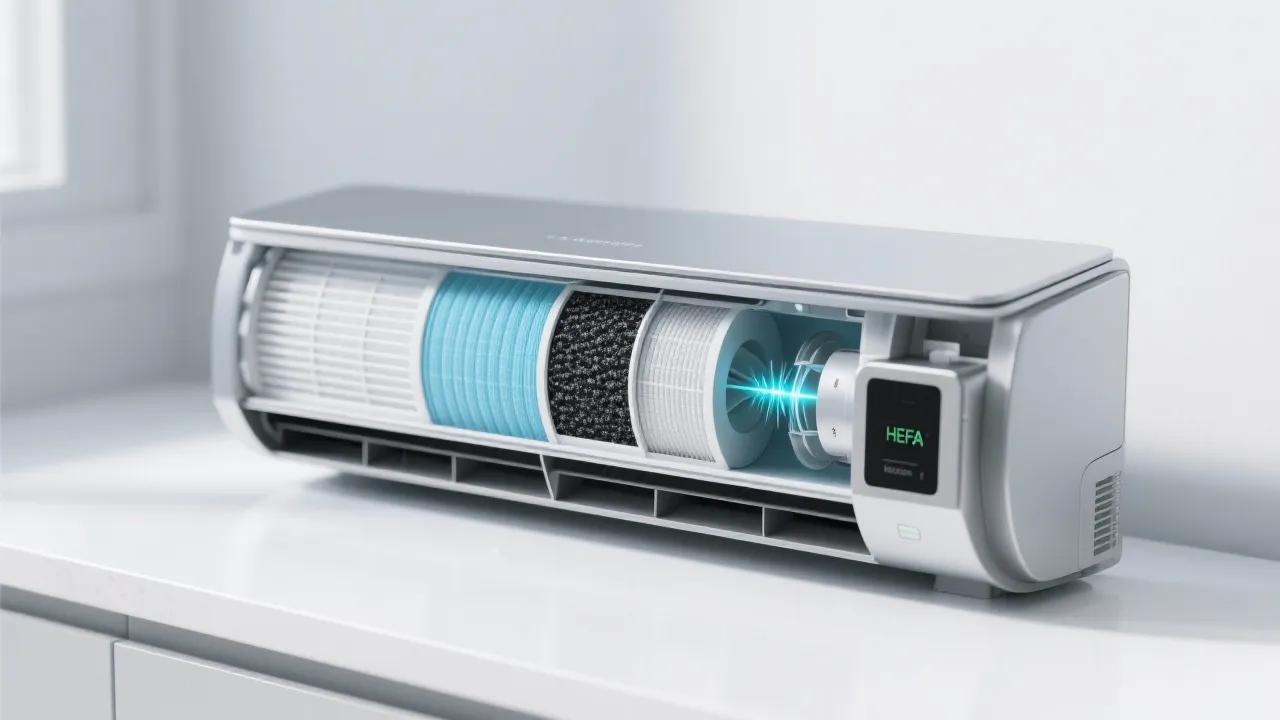

In today’s competitive market for intelligent kitchen appliances, frost-free technology emerges as a pivotal innovation driving superior preservation results. By integrating advanced automatic defrost systems, smart refrigerators maintain a constant low-temperature environment that minimizes temperature fluctuations and energy consumption. This article unpacks how frost-free systems elevate freshness retention, especially when synchronized with multi-zone temperature control and dual inverter compressors, addressing the nuanced storage requirements of diverse food categories such as fruits, vegetables, and meats.
Traditional refrigeration systems often suffer from frost accumulation, disrupting airflow and impeding cold air circulation. This frost builds up on the evaporator coils, leading to uneven cooling, increased compressor workload, and ultimately, higher energy demand.
Frost-free technology combats this by employing sensors and timed defrost cycles that automatically melt frost before it accumulates, ensuring the cooling elements operate efficiently without ice buildup. This continuous maintenance fosters a stable and uniform temperature environment critical for food freshness.
Maintaining precise temperature control is vital for prolonging the shelf life of perishable goods. Research data indicates that even temperature fluctuations as minor as ±1°C can accelerate nutrient degradation and microbial growth in stored foods by up to 20%.
Frost-free systems complemented by multi-zone temperature control with ±0.3°C accuracy ensure that different compartments maintain optimal conditions tailored to specific food types. For instance, fruits and vegetables benefit from slightly higher humidity and stable coolness, whereas meats require stricter low-temperature settings to inhibit spoilage enzymes.

Dual inverter compressors dynamically adjust the cooling power based on real-time temperature feedback, delivering precise cold air amounts with minimized energy wastage. Compared to traditional single-speed compressors, studies show an energy efficiency improvement of up to 35% when integrated with frost-free technology.
This synergy significantly reduces operational costs for households and commercial kitchens while enhancing the consistent preservation environment. Lower power consumption also aligns with rising demands for eco-friendly appliances that support sustainable living.
Case studies involving high-end residential users reveal up to a 25% extension in fruit and vegetable freshness duration due to reduced moisture loss—achieved by stable frost-free cooling and precise temperature zones. Similarly, commercial kitchens reported a 15% reduction in food waste and 20% lower electricity bills after deploying frost-free smart refrigerators equipped with advanced AI food management modules.
Q1: How does frost-free technology reduce energy consumption?
A1: By automatically eliminating frost buildup, the system avoids compressor overload and maintains steady airflow, cutting down excessive energy use associated with defrosting cycles and temperature swings.
Q2: Can frost-free technology preserve food freshness longer than traditional refrigerators?
A2: Yes, stable temperature control without frost interruptions preserves cellular moisture in food, effectively expanding shelf life by up to 25%, especially when combined with multi-zone precision control.
Q3: Is frost-free technology suitable for commercial kitchen use?
A3: Absolutely. Commercial kitchens benefit from efficient frost-free refrigeration that minimizes food waste and lowers operating costs, supported by dual compressor modules tailored to heavy-duty usage.
Frost-free technology represents a landmark advancement for brands specializing in B2B intelligent home solutions. Offering OEM and ODM support coupled with international certification standards enhances the commercial appeal for global partners. The integration of AI food management functions further positions frost-free smart refrigerators as indispensable equipment in both household and professional environments prioritizing freshness, health, and energy savings.
As the market shifts towards digitalized, environmentally conscious appliances, investing in frost-free smart refrigeration translates into tangible savings and elevated food safety, reinforcing a brand’s reputation for innovation and reliability.
 139
|
139
|
 outdoor waterproof security camera
two-way audio communication
remote monitoring efficiency
cloud storage backup
PTZ control
95
|
tamper proof smart door lock
touchscreen smart lock
smart home security solution
ZJ-TouchPro100
smart lock security technology
340
|
multi-layer air purification
HEPA filter effectiveness
indoor air quality improvement
smart inverter air conditioner
air purifier maintenance
248
|
smart PTZ camera installation
360 degree surveillance setup
AI motion detection configuration
night vision camera settings
multi-user access control
145
|
Smart PTZ camera
Cross - border e - commerce warehouse monitoring
360 - degree panoramic monitoring
AI human body recognition
Infrared night vision optimization
outdoor waterproof security camera
two-way audio communication
remote monitoring efficiency
cloud storage backup
PTZ control
95
|
tamper proof smart door lock
touchscreen smart lock
smart home security solution
ZJ-TouchPro100
smart lock security technology
340
|
multi-layer air purification
HEPA filter effectiveness
indoor air quality improvement
smart inverter air conditioner
air purifier maintenance
248
|
smart PTZ camera installation
360 degree surveillance setup
AI motion detection configuration
night vision camera settings
multi-user access control
145
|
Smart PTZ camera
Cross - border e - commerce warehouse monitoring
360 - degree panoramic monitoring
AI human body recognition
Infrared night vision optimization