

In the global market of air purification, understanding the detailed workings of multi-layer filtration integrated into smart inverter air conditioners is crucial for distributors, OEM partners, and overseas buyers. This article reveals how the collaboration of primary filters, HEPA filters, and activated carbon layers delivers certified results in removing PM2.5 particles, allergens, and indoor odors. By combining laboratory-tested data with authentic consumer testimonials, it provides B2B professionals actionable insights to confidently recommend and differentiate products with proven air quality improvements.
The smart inverter air conditioner’s air purification system relies on a three-tier filtration design:
This filtration synergy ensures that indoor air is significantly cleaner, which directly contributes to healthier living environments and improved occupant comfort.
In independent laboratory testing, the HEPA filters embedded in the smart inverter air conditioners achieved a PM2.5 reduction rate exceeding 99.9% within 30 minutes of operation under standardized room conditions (~25m²). Allergens such as pollen and dust mite fragments showed a removal efficacy above 98%. Simultaneously, activated carbon layers reduced common indoor VOCs by over 85%.

Approaching filter evaluation with scientific rigor enables buyers to prioritize genuine performance. Common metrics include:
Prospective buyers should request third-party certifications such as ISO 29463 or equivalents, ensuring product claims are backed by measurable data.
Proper maintenance is key to sustaining high-performance air purification:
Incorporating user-friendly filter change alerts in smart controls further enhances upkeep compliance.
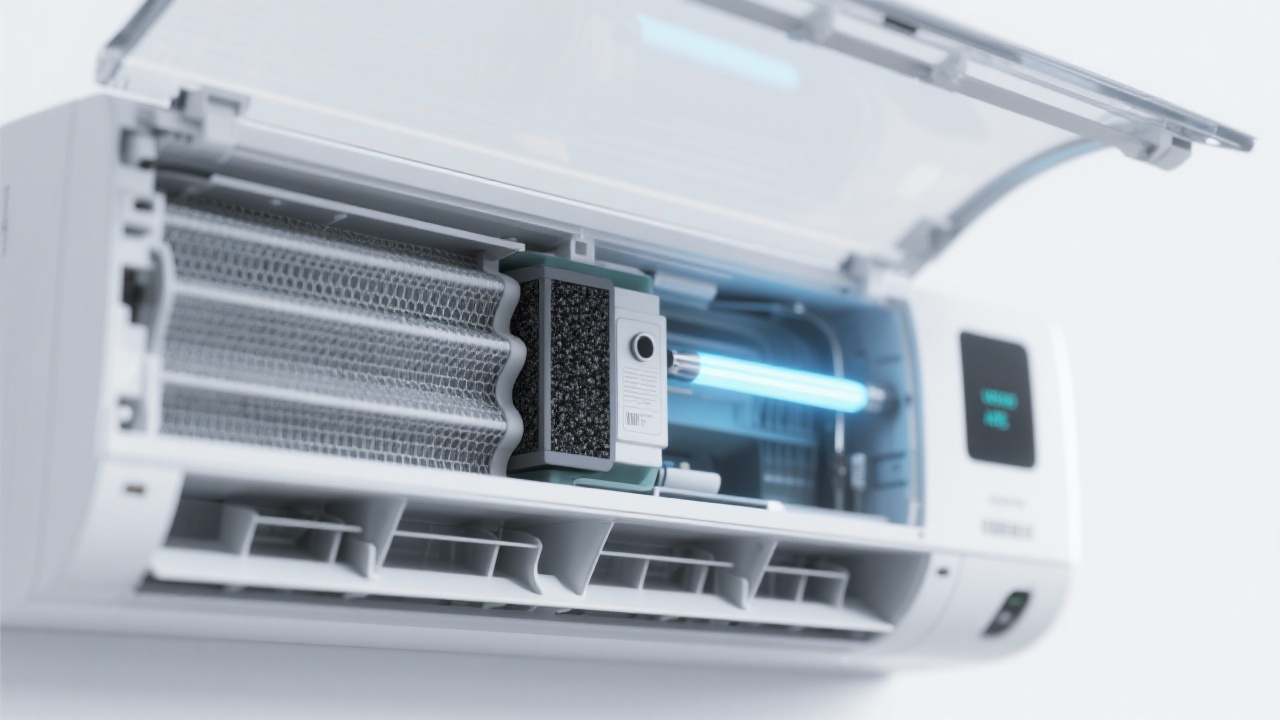
The integration of automatic humidity regulation within smart inverter air conditioners complements multi-layer filtration by managing moisture levels that affect particulate suspension and allergen proliferation. Maintaining relative humidity between 40-60% not only optimizes user comfort but also inhibits mold and dust mite growth—common triggers for respiratory issues.
This dual technology approach thereby ensures a comprehensive indoor environment solution tailored to health-conscious consumers worldwide.
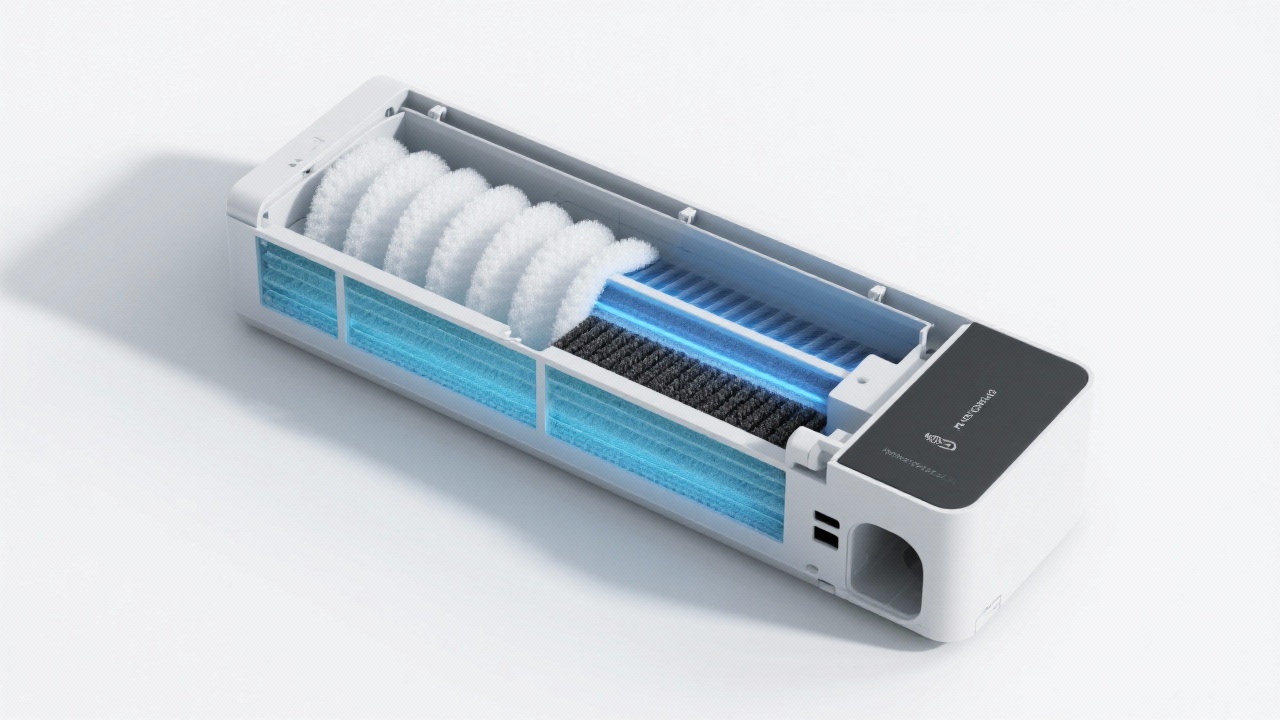
Explore how integrating advanced HEPA filtration within smart inverter air conditioning can elevate your product offerings and fulfill growing global demands for healthier indoor environments.
 212
|
212
|
 Intelligent pan - tilt security camera
Infrared light adjustment
AI human body recognition
Night vision false alarm solution
360 - degree monitoring
418
|
smart PTZ security camera
multi-user remote access
security system solutions
360-degree surveillance
night vision enhancement
62
|
Multi-layer air purification
HEPA filter purification effect
Indoor air quality improvement
Air conditioner filter replacement cycle
Air quality management techniques
247
|
360-degree smart PTZ camera installation
surveillance blind spot elimination
smart security camera setup
night vision optimization
multi-user access control
455
|
multi-layer air purification
HEPA filter performance
indoor air quality improvement
automatic humidity control
intelligent inverter air conditioner
Intelligent pan - tilt security camera
Infrared light adjustment
AI human body recognition
Night vision false alarm solution
360 - degree monitoring
418
|
smart PTZ security camera
multi-user remote access
security system solutions
360-degree surveillance
night vision enhancement
62
|
Multi-layer air purification
HEPA filter purification effect
Indoor air quality improvement
Air conditioner filter replacement cycle
Air quality management techniques
247
|
360-degree smart PTZ camera installation
surveillance blind spot elimination
smart security camera setup
night vision optimization
multi-user access control
455
|
multi-layer air purification
HEPA filter performance
indoor air quality improvement
automatic humidity control
intelligent inverter air conditioner


