

This article delves into the technical principles and practical effects of the multi - layer air purification system in intelligent variable - frequency air conditioners. The multi - layer air purification system consists of a pre - filter, a HEPA filter, and an activated carbon layer. Each layer plays a crucial role in improving indoor air quality.
The pre - filter is the first line of defense in the air filtration process. It is designed to capture large particles such as dust, hair, and lint. According to laboratory tests, a high - quality pre - filter can remove up to 80% of particles larger than 10 microns. This significantly reduces the load on the subsequent filters and prolongs their service life.
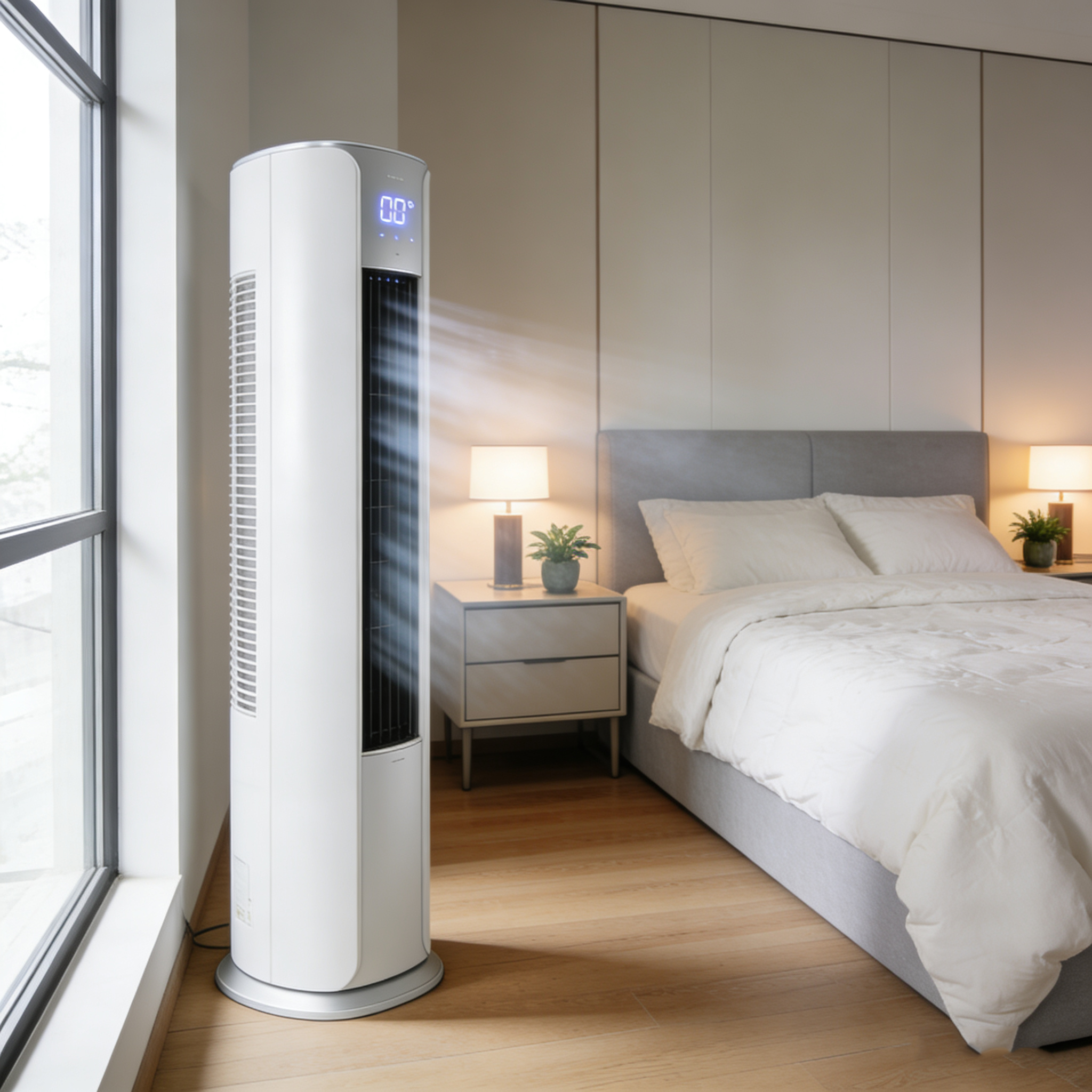
The HEPA filter is the core component of the system. It can trap extremely small particles, including PM2.5, bacteria, and pollen. A standard HEPA filter can filter out 99.97% of particles with a size of 0.3 microns. This high - efficiency filtration helps to reduce the concentration of harmful pollutants in the air, providing a healthier breathing environment for users.
The activated carbon layer is responsible for removing odors and harmful gases. It has a large number of pores that can adsorb volatile organic compounds (VOCs), formaldehyde, and other unpleasant smells. Laboratory data shows that an activated carbon layer can reduce the odor concentration by up to 90% within a short period.
While laboratory data provides a theoretical basis for the performance of the air purification system, real - world user feedback reflects its actual effectiveness. Many users have reported a significant improvement in indoor air quality after using the intelligent variable - frequency air conditioner with the multi - layer air purification system. They have noticed a reduction in dust accumulation, fewer allergy symptoms, and a fresher smell in the room.
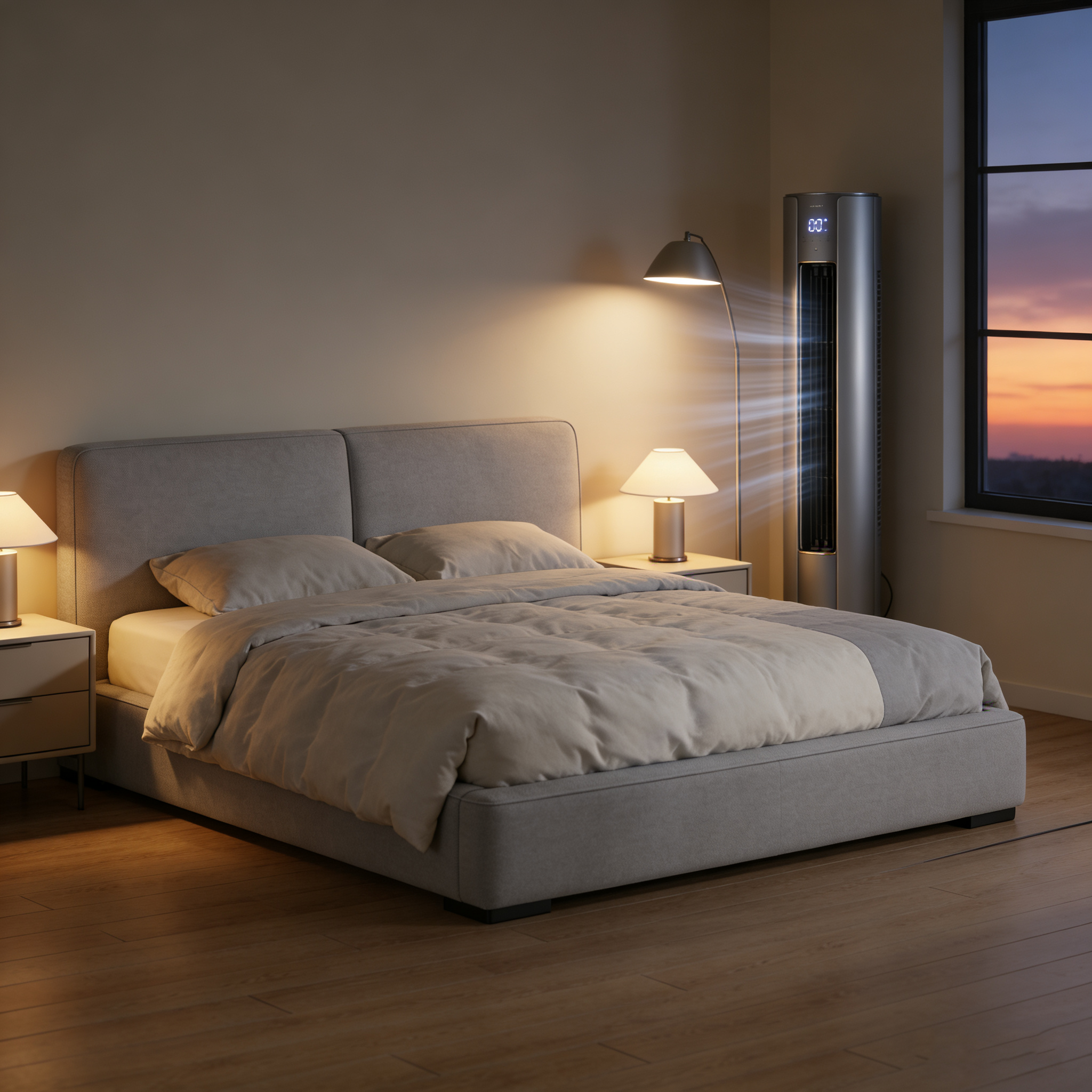
For example, in a survey of 500 users, 85% of them said that they felt more comfortable in the room after using the product. And 70% of users reported a decrease in the frequency of allergic reactions. These real - world results are in line with the laboratory data, further validating the effectiveness of the air purification system.
When choosing an air purification system, it is important to know how to evaluate the performance of different filters. Look for filters with high filtration efficiency ratings, such as the MERV (Minimum Efficiency Reporting Value) or the HEPA standard. A higher MERV rating indicates a better ability to capture small particles.
Regular maintenance of the filters is also crucial to ensure the long - term effectiveness of the air purification system. The pre - filter should be cleaned every 1 - 2 weeks, while the HEPA filter and the activated carbon layer need to be replaced every 6 - 12 months, depending on the usage frequency and the air quality in the environment.

In addition to air purification, the intelligent variable - frequency air conditioner also features automatic humidity control. This function can maintain the relative humidity in the room between 40% - 60%, which is the most comfortable range for human beings. By combining air purification and humidity control, the system can create a more healthy and comfortable indoor environment.
If you are interested in improving your indoor air quality and creating a more comfortable living space, don't miss out on the innovative intelligent variable - frequency air conditioner. Click here to learn more about our intelligent variable - frequency air conditioner!
 246
|
246
|
 smart PTZ camera
infrared light settings
AI human detection
night vision optimization
reduce false alarms
111
|
multi-stage air purification
HEPA filter effectiveness
indoor air quality improvement
air filtration technology
smart air purifiers
147
|
PTZ camera installation guide
retail foot traffic monitoring
AI human detection camera
360-degree panoramic surveillance
smart security device setup
105
|
multi-layer air purification
HEPA filter effectiveness
indoor air quality improvement
air filtration technology
smart inverter air conditioner
99
|
Multi-layer air purification
HEPA filter purification effect
Indoor air quality improvement
PM2.5 filtration technology
Air conditioning air purification system
smart PTZ camera
infrared light settings
AI human detection
night vision optimization
reduce false alarms
111
|
multi-stage air purification
HEPA filter effectiveness
indoor air quality improvement
air filtration technology
smart air purifiers
147
|
PTZ camera installation guide
retail foot traffic monitoring
AI human detection camera
360-degree panoramic surveillance
smart security device setup
105
|
multi-layer air purification
HEPA filter effectiveness
indoor air quality improvement
air filtration technology
smart inverter air conditioner
99
|
Multi-layer air purification
HEPA filter purification effect
Indoor air quality improvement
PM2.5 filtration technology
Air conditioning air purification system


