

Indoor air quality significantly affects human health and comfort. Among various pollutants, PM2.5—particulate matter with a diameter smaller than 2.5 micrometers—and formaldehyde, a volatile organic compound (VOC), are critical contaminants commonly detected in homes and workplaces worldwide. According to the World Health Organization (WHO), long-term exposure to PM2.5 contributes to respiratory diseases, cardiovascular issues, and even premature mortality, with PM2.5 concentrations exceeding 10 µg/m³ annually recommended as a safe threshold.1 Similarly, formaldehyde exposure, often originating from building materials and household products, can cause eye, nose, and throat irritation and has been classified as a carcinogen by the International Agency for Research on Cancer (IARC).
Indoor PM2.5 mainly arises from cooking smoke, tobacco smoke, burning candles, and infiltration of outdoor air polluted by traffic or industry. Formaldehyde sources include pressed-wood products, adhesives, cleaning agents, and tobacco smoke. The accumulation of these pollutants without adequate ventilation or purification elevates health risks, particularly for vulnerable populations such as children, the elderly, and individuals with pre-existing respiratory conditions.
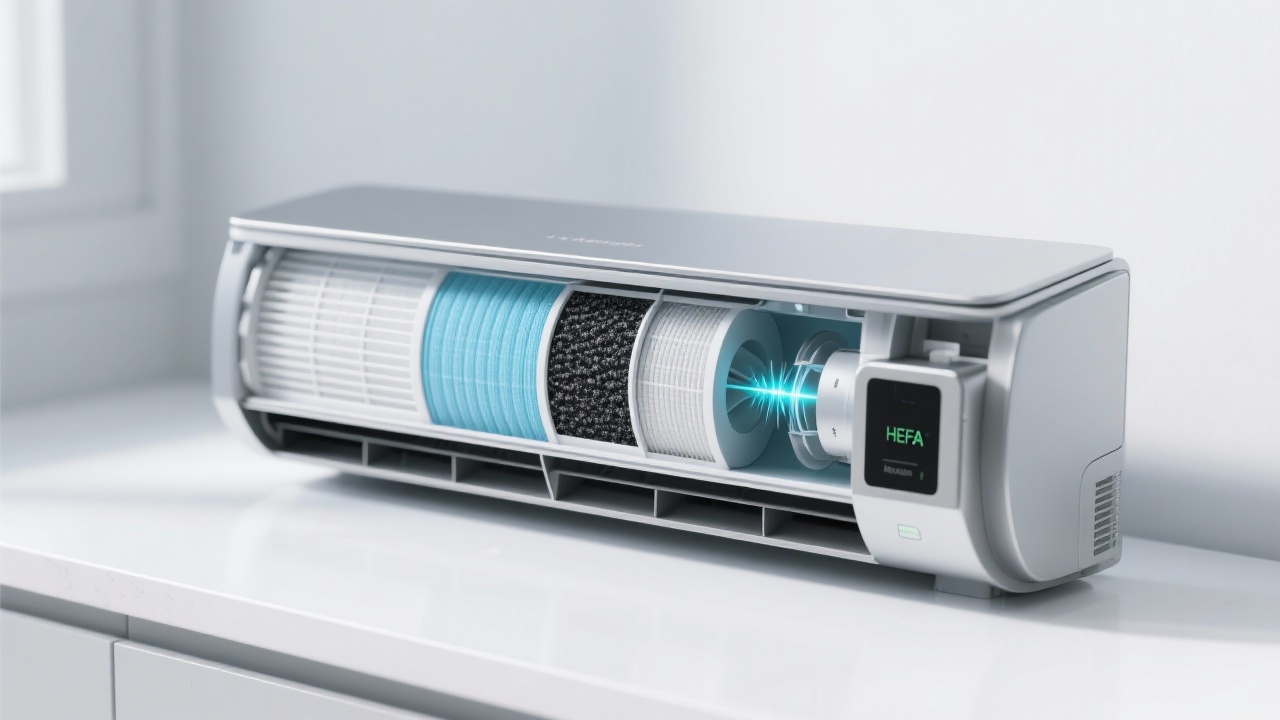
A scientifically engineered multi-stage filtration system offers one of the most effective solutions to improving indoor air quality. Such systems typically integrate pre-filters, HEPA filters, and activated carbon filters, each targeting specific pollutant types:
Independent laboratory testing confirms that multi-stage systems reduce PM2.5 concentration indoors by over 85% within 30 minutes of operation in a typical 30m² room. Formaldehyde reduction rates reach approximately 70-80% when activated carbon filters are refreshed regularly. The integration of HEPA and activated carbon layers is essential for a comprehensive air purification strategy.

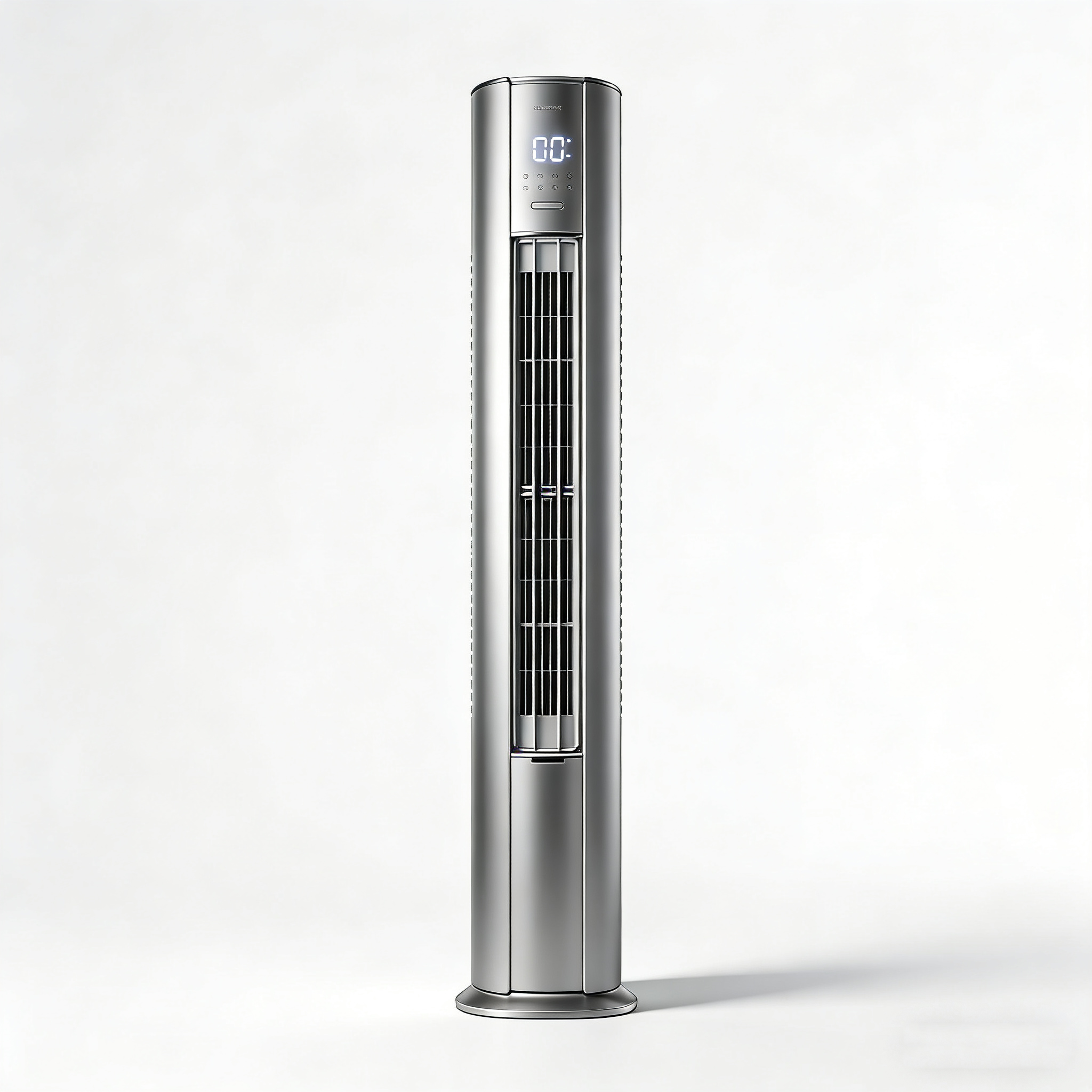
Advancements in high-precision sensor technology enable continuous monitoring of indoor air pollutants, providing real-time data on PM2.5 levels, formaldehyde concentration, temperature, and humidity. These sensors support LED indicator feedback systems, displaying air quality status intuitively with color codes: green (good), yellow (moderate), and red (poor).
Intelligent air purifiers connect with mobile applications or smart home ecosystems, affording users remote control over purification intensity, filter status alerts, and automatic operation scheduling. This smart functionality adds convenience and ensures filters are replaced promptly to maintain optimal performance.
For sustained air quality improvement, adhering to regular maintenance schedules is imperative. This includes washing or replacing pre-filters monthly, swapping HEPA filters every 6-12 months depending on usage, and refreshing activated carbon filters every 3-6 months based on pollutant load. Misconceptions such as over-relying on a single filtration stage or neglecting sensor calibration can compromise purifier efficacy.
Moreover, complementing filtration with good ventilation practices and source control measures (e.g., reducing indoor smoking, selecting low-emission materials) maximizes indoor air safety.


 166
|
166
|
 smart lock unlocking methods
fingerprint recognition locks
bluetooth smart locks
access control security
multi-method unlock synergy
78
|
outdoor security camera
two-way audio communication
remote monitoring efficiency
cloud storage backup
waterproof security camera
394
|
Waterproof security camera
IP66 rating
IP67 rating
outdoor surveillance
AI human detection
442
|
multi-layer air purification
HEPA filter performance
indoor air quality improvement
filter replacement cycle
automatic humidity control
153
|
AI food recognition technology
commercial kitchen food management
reduce food waste
smart refrigerator solutions
ERP system integration
smart lock unlocking methods
fingerprint recognition locks
bluetooth smart locks
access control security
multi-method unlock synergy
78
|
outdoor security camera
two-way audio communication
remote monitoring efficiency
cloud storage backup
waterproof security camera
394
|
Waterproof security camera
IP66 rating
IP67 rating
outdoor surveillance
AI human detection
442
|
multi-layer air purification
HEPA filter performance
indoor air quality improvement
filter replacement cycle
automatic humidity control
153
|
AI food recognition technology
commercial kitchen food management
reduce food waste
smart refrigerator solutions
ERP system integration


