

Indoor air quality (IAQ) has emerged as a critical health factor in both residential and commercial environments. Leveraging cutting-edge technology in intelligent variable frequency air conditioners, this article explores the synergistic effects of multilayer air purification systems combined with automatic humidity control to optimize indoor atmosphere comfort and safety.
The core of effective indoor purification lies in a well-structured multilayer filtration system incorporating pre-filters (initial effect filters), HEPA filters, and an activated carbon layer. Each layer targets specific pollutants to maximize air purity:
Laboratory analyses demonstrate that the multilayer filtration system reduces airborne particulate matter (PM2.5) concentrations by approximately 85-95% within 30 minutes of operation in a typical 500 sq. ft. room. Furthermore, user feedback collected over six months reports a significant reduction in allergy symptoms and odor complaints by over 70%, underscoring practical benefits beyond controlled environments.
To empower users in maintaining optimal filtration efficacy, systems are designed with clear indicators allowing easy recognition of filter saturation levels. Parameters like increased air resistance and visible discoloration can serve as practical markers. For professionals, real-time sensor data can quantify particulate load, enabling predictive maintenance and timely replacements.
Routine maintenance is essential to preserve system efficiency:
Proper cleaning techniques—using low-pressure vacuuming for pre-filters and professional servicing for HEPA and carbon layers—can extend filter life by up to 30%. Additionally, integrating filter change reminders via smart air conditioning interfaces improves user compliance.
Beyond particulate filtration, humidity regulation plays a pivotal role in indoor environmental quality. Intelligent variable frequency air conditioners embed automatic humidity controls to maintain indoor relative humidity (RH) optimally between 40% and 60%. This range minimizes microbial growth, prevents respiratory discomfort, and stabilizes airborne pollutant suspension.
Experimentally, maintaining RH at 50% in a controlled chamber reduced fungal spore viability by approximately 40%, reinforcing health benefits. Moreover, balanced humidity enhances user comfort and HVAC system efficiency by reducing thermal load swings.
By combining air purification metrics with real-time humidity monitoring, a dynamic multi-parameter control strategy is established. This strategy adjusts filtration fan speeds and humidifier/dryer operations in response to air quality sensors, ensuring a consistently optimized indoor environment. The result is a sustainable, low-maintenance solution adaptable to variable conditions like seasonal weather changes or occupancy density.

Our comprehensive tutorials include infographics and stepwise guides illustrating filter installation, cleaning, and replacement procedures. These resources empower users with technical literacy to maintain air purity with confidence. Encouraging community Q&A forums further promotes shared knowledge and widespread adoption of best practices.

Importantly, the intelligent variable frequency air conditioners integrate cleanly with existing smart home ecosystems—supporting voice control, remote monitoring, and data logging. This elevates user interaction to a seamless experience, reinforcing the product's value proposition beyond basic functionality.
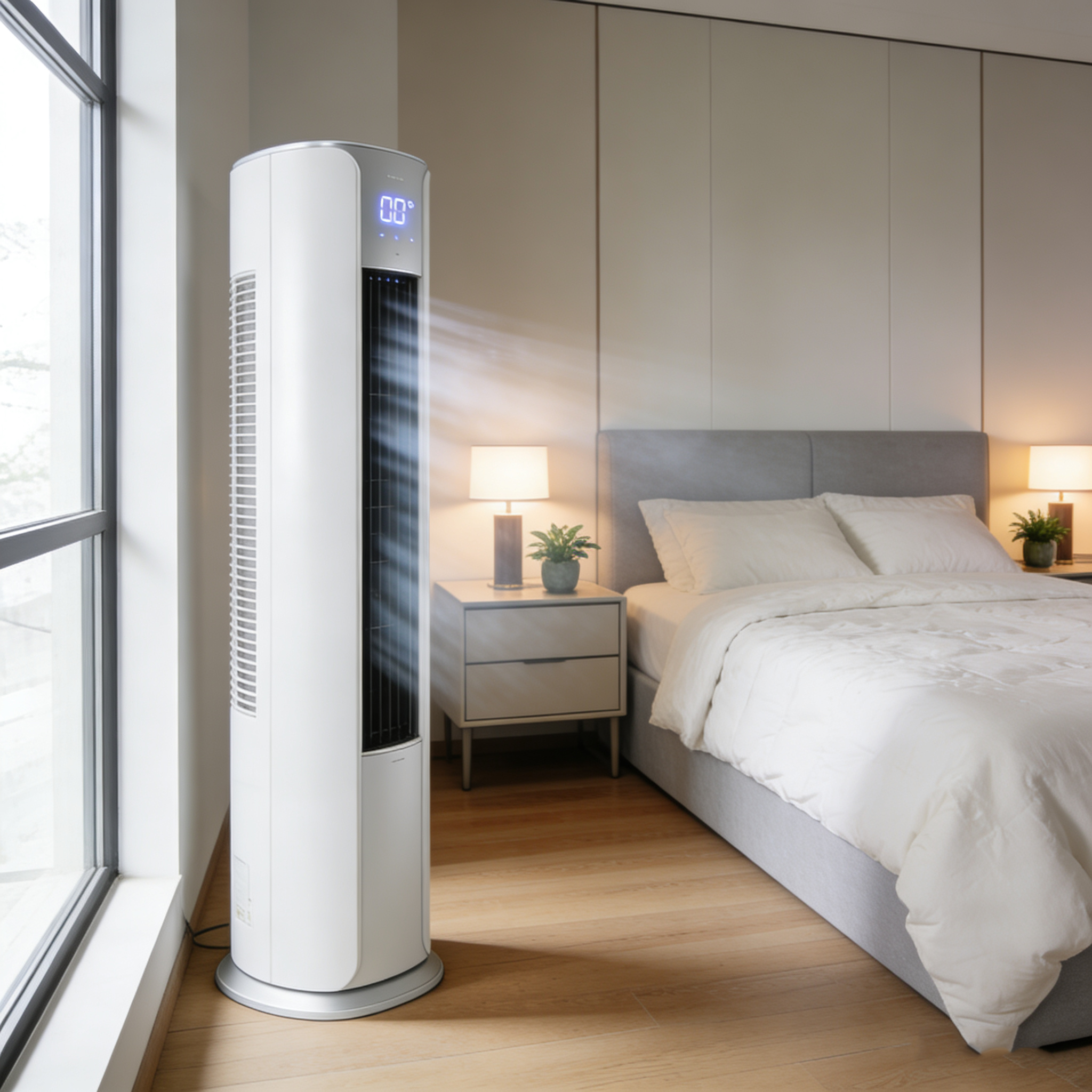
Explore the future of indoor comfort—experience the integration of precision multilayer air filtration with dynamic humidity control in our intelligent variable frequency air conditioning systems. Elevate your space quality effortlessly.
Discover Smart Air Solutions Today


 239
|
239
|
 smart camera network configuration
outdoor security camera setup
infrared night vision troubleshooting
AI person detection settings
multi-user access control
418
|
smart PTZ security camera
multi-user remote access
security system solutions
360-degree surveillance
night vision enhancement
310
|
HEPA filter efficiency
indoor air purification
multi-layer air filters
air filter maintenance
automated humidity control
145
|
Smart PTZ camera
Cross - border e - commerce warehouse monitoring
360 - degree panoramic monitoring
AI human body recognition
Infrared night vision optimization
99
|
Multi-layer air purification
HEPA filter purification effect
Indoor air quality improvement
PM2.5 filtration technology
Air conditioning air purification system
smart camera network configuration
outdoor security camera setup
infrared night vision troubleshooting
AI person detection settings
multi-user access control
418
|
smart PTZ security camera
multi-user remote access
security system solutions
360-degree surveillance
night vision enhancement
310
|
HEPA filter efficiency
indoor air purification
multi-layer air filters
air filter maintenance
automated humidity control
145
|
Smart PTZ camera
Cross - border e - commerce warehouse monitoring
360 - degree panoramic monitoring
AI human body recognition
Infrared night vision optimization
99
|
Multi-layer air purification
HEPA filter purification effect
Indoor air quality improvement
PM2.5 filtration technology
Air conditioning air purification system


