

In the era of growing health consciousness, multi-layer air purification systems embedded within intelligent inverter air conditioners have become indispensable in improving indoor air quality. This guide offers an in-depth exploration of multi-stage filtration technologies — including pre-filters, HEPA filters, and activated carbon layers — demonstrating how their synergy effectively reduces airborne pollutants such as PM2.5 particles, allergens, and odors.
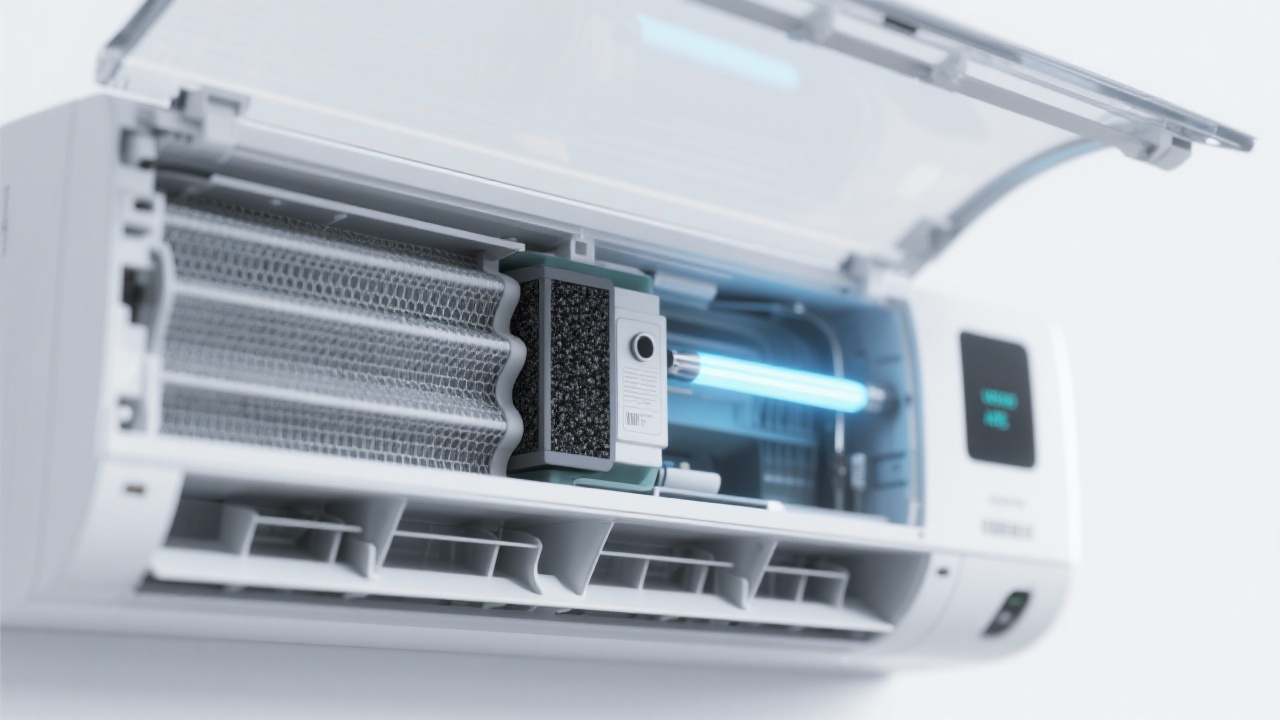
The purification journey begins with the pre-filter, designed to capture large particulates like dust, hair, and pet dander. Following this, the HEPA filter (High-Efficiency Particulate Air) targets ultrafine particles as small as 0.3 microns, boasting a filtration efficiency exceeding 99.97%. Last, the activated carbon layer adsorbs volatile organic compounds (VOCs), harmful gases, and unpleasant odors, completing the purification cycle.
These layers are engineered to work in harmony: the pre-filter extends the HEPA filter's lifespan by intercepting bulk debris, while the activated carbon layer ensures clean, fresh air by neutralizing odors and gaseous pollutants. Together, they form a robust shield against environmental pollutants common in urban and indoor spaces.
Extensive laboratory testing confirms that properly maintained multi-layer filters reduce indoor PM2.5 concentrations by up to 85%, substantially mitigating risks associated with respiratory issues and allergies. Additionally, allergens such as pollen and pet dander decrease by approximately 90%, while VOC and odor removal efficiency exceeds 80% due to activated carbon adsorption.
Users must distinguish filter layers accurately to ensure efficient upkeep. A simple visual and tactile inspection can differentiate filters: pre-filters are coarse and rigid, HEPA filters are dense with fine mesh texture, and activated carbon layers have a dark charcoal appearance. Additionally, pressure drop gauges and particle counters provide objective measures of filter saturation and performance decline.
For export customers, providing identification tutorials and performance assessment charts enhances trust and satisfaction. Implementing QR-code linked digital manuals showing filter status enables remote monitoring and timely maintenance reminders.
The recommended replacement cycles vary by filter type and usage environment:
Cleaning pre-filters regularly using gentle vacuuming or water rinse (with full drying before reinstallation) can significantly extend their life. HEPA filters, however, should not be exposed to water or aggressive cleaning agents; replacement is safer and maintains system integrity.
Modern intelligent inverter air conditioners equipped with automatic humidity control complement filtration by stabilizing indoor moisture levels, thus preventing mold growth and enhancing occupant comfort. Optimal relative humidity of 40–60% acts synergistically with purified air to reduce pathogen survival and allergen activity.
Multi-dimensional environment management with air filtration plus humidity control creates a healthier indoor atmosphere, critical for homes, offices, hospitality, and healthcare facilities, increasing value proposition for export customers seeking comprehensive air quality solutions.
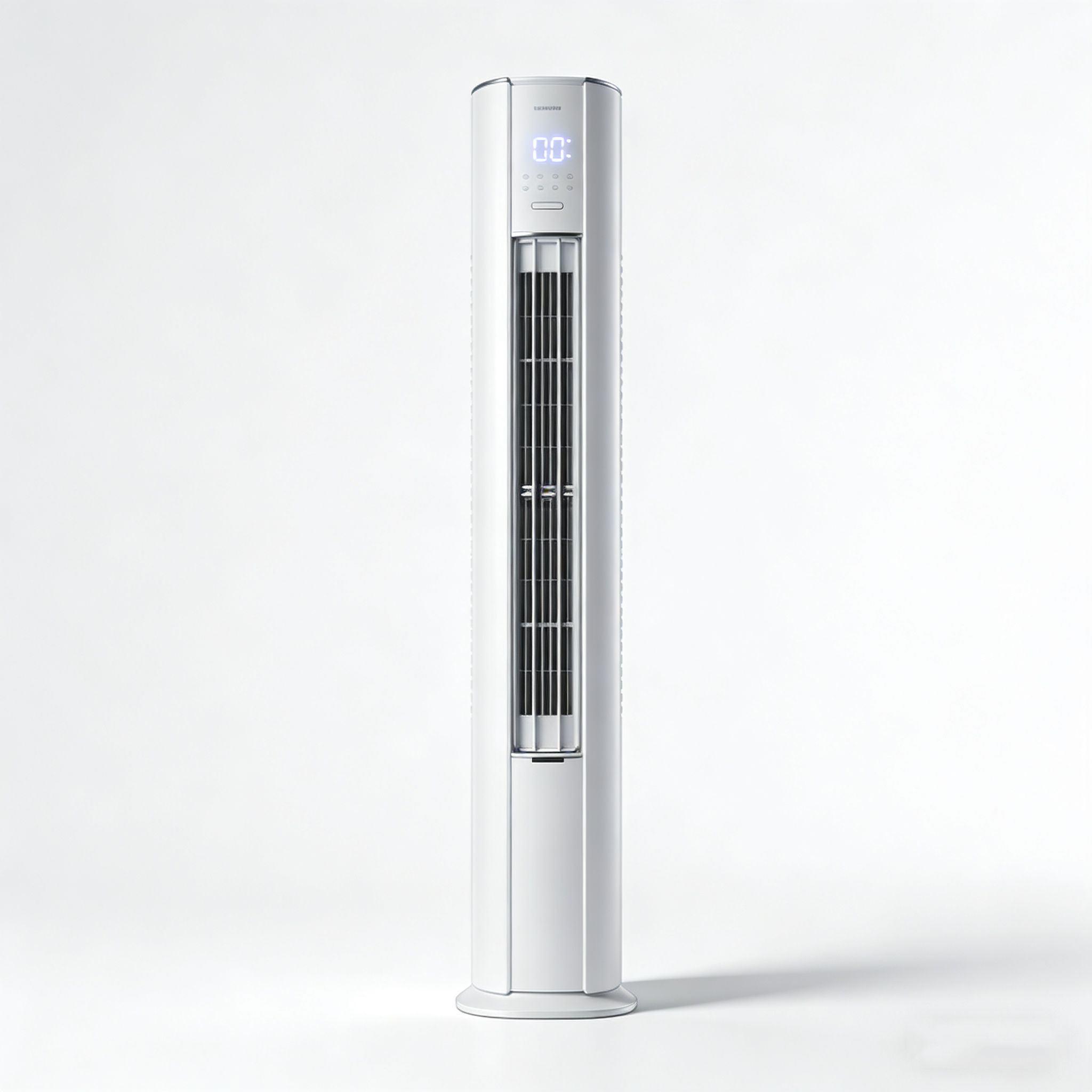
Exporters can differentiate their intelligent inverter air conditioners by emphasizing robust filter maintenance protocols alongside proven air purification efficacy. Educating end-users with scientifically grounded manuals, easy-to-follow guides, and interactive digital content improves customer retention and brand credibility internationally.
Providing clear maintenance schedules aligned with laboratory data and global air quality standards reassures partners and buyers of product durability and performance consistency, fostering long-term cooperation.
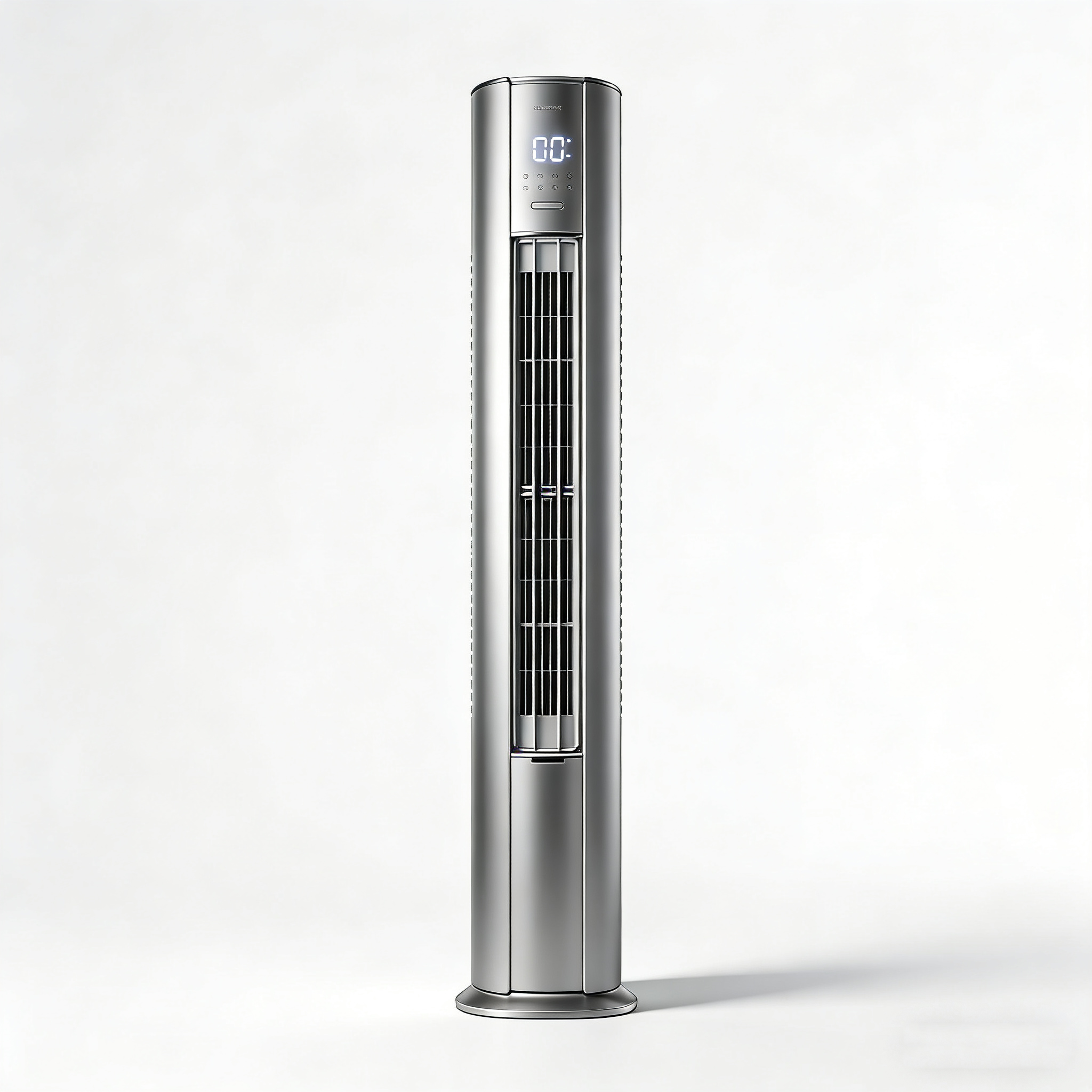
Monthly visual inspections coupled with smart sensor data (if available) are recommended to detect clogging early and schedule cleaning or replacements accordingly.
No, HEPA filters must not be washed as water damages the fine mesh and reduces filtration efficacy. Replace as per manufacturer’s guidelines.
Proper humidity levels help inhibit microbial growth on filters, potentially extending their effective life when combined with regular maintenance.
 Explore Advanced Intelligent Inverter Air Conditioners with Multi-Layer Purification
 259
|
259
|
 Smart PTZ camera installation location
Avoidance of camera monitoring blind spots
360 - degree panoramic monitoring settings
420
|
smart lock compatibility
remote access control
quiet lock core design
luxury home security
smart home integration
464
|
Multi-layer air purification
HEPA filter purification effect
Indoor air quality improvement
Air filtration system performance
Automatic humidity control
185
|
Smart PTZ camera installation mistakes
PTZ camera pitfall avoidance guide
Security camera installation skills
Infrared night vision setting optimization
Smart home monitoring installation tutorial
491
|
smart PTZ security camera
night vision optimization
infrared light adjustment
AI human detection
360-degree surveillance
Smart PTZ camera installation location
Avoidance of camera monitoring blind spots
360 - degree panoramic monitoring settings
420
|
smart lock compatibility
remote access control
quiet lock core design
luxury home security
smart home integration
464
|
Multi-layer air purification
HEPA filter purification effect
Indoor air quality improvement
Air filtration system performance
Automatic humidity control
185
|
Smart PTZ camera installation mistakes
PTZ camera pitfall avoidance guide
Security camera installation skills
Infrared night vision setting optimization
Smart home monitoring installation tutorial
491
|
smart PTZ security camera
night vision optimization
infrared light adjustment
AI human detection
360-degree surveillance


