

Multilayer air purification systems are designed with a well - thought - out multistage filtration structure. This structure operates on a simple yet effective principle: it intercepts pollutants layer by layer, starting from coarse particles to fine particulate matter. The initial pre - filter captures large dust, hair, and lint, acting as the first line of defense. Then, the HEPA filter takes over to trap smaller particles, including PM2.5. Finally, the activated carbon layer adsorbs odors and harmful gases. This sequential process ensures that the air is thoroughly cleaned.
To understand the effectiveness of HEPA filters in reducing PM2.5, we compared the data from laboratory tests and real - life home scenarios. In the laboratory, under controlled conditions, the PM2.5 concentration dropped by an average of 95% within 30 minutes of the air purification system running. In home settings, where the environment is more complex, the PM2.5 concentration still decreased by about 85% after an hour of operation. These results clearly demonstrate the HEPA filter's ability to significantly improve indoor air quality.
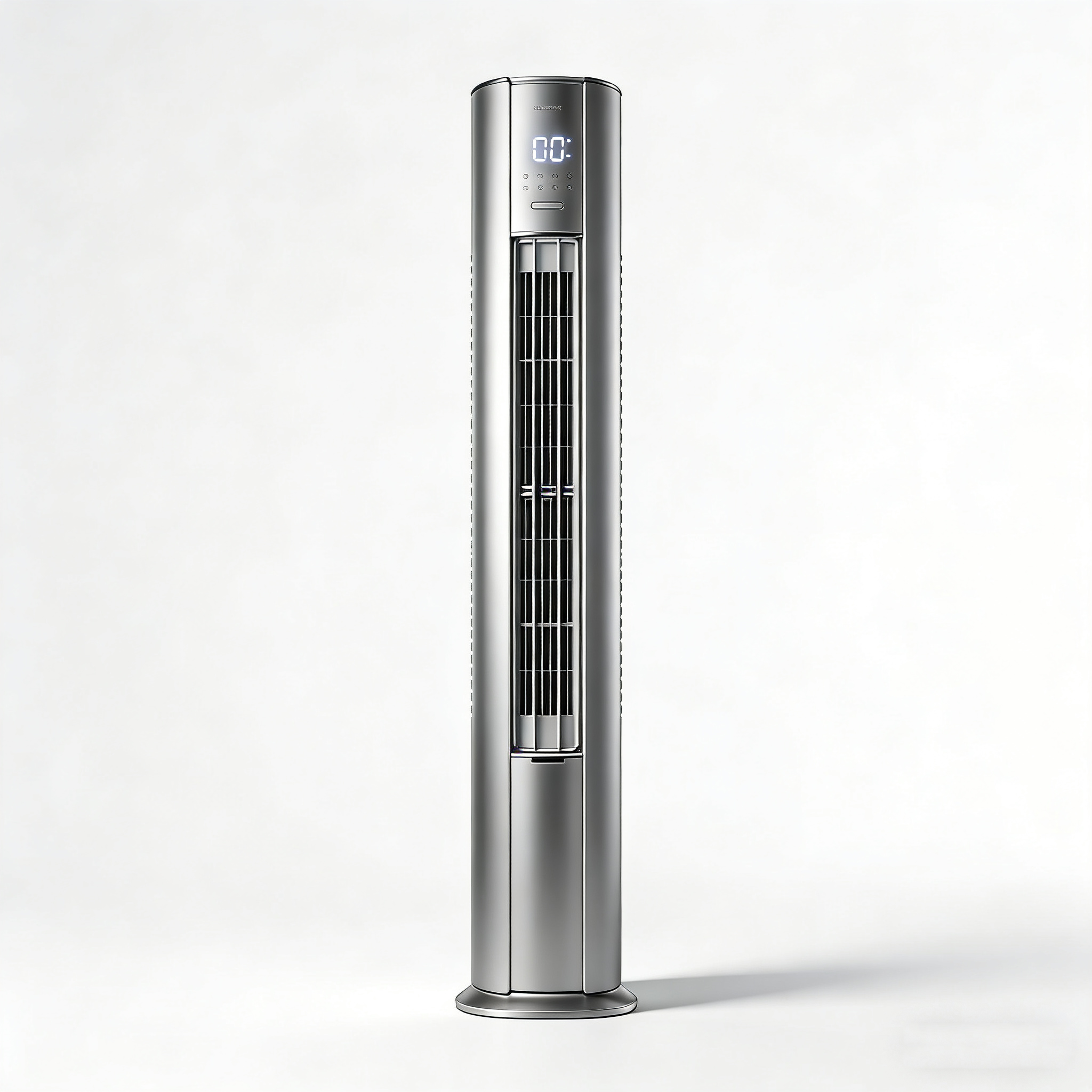
When choosing a filter, two important performance indicators are the Clean Air Delivery Rate (CADR) and the filtration efficiency. The CADR value indicates how much clean air the filter can deliver per unit of time. A higher CADR means better performance. The filtration efficiency shows the percentage of particles the filter can capture. However, there are some common misunderstandings. For example, some people think that a thicker filter is always better, but this is not necessarily true. A thick filter may have high resistance, reducing the air - flow rate and overall efficiency.
Proper maintenance is crucial for the long - term performance of the air purification system. The pre - filter should be cleaned every 1 - 2 weeks, depending on the air quality in your area. The HEPA filter usually needs to be replaced every 6 - 12 months. Regular cleaning of the filter can not only improve the purification effect but also extend the service life of the device. For example, gently vacuuming the filter can remove surface dust and debris.
Some advanced air purification systems, especially smart air conditioners, can achieve dual control of air quality and humidity. By adjusting the humidity level, these systems can create a more comfortable and healthy indoor environment. High humidity can promote the growth of mold and bacteria, while low humidity can cause dry skin and respiratory problems. The smart control function ensures that the humidity is maintained at an optimal level, usually between 40% - 60%.
Many users have shared their positive experiences with the multilayer air purification system. For example, a user from a polluted urban area said that after using the system, his family members' allergy symptoms were significantly reduced. To enhance the credibility and engagement of this article, we invite you to share your own experiences. Have you ever used an air purification system? How many layers of filters does your air conditioner have?
Want to learn more about this smart air conditioner that supports multi - layer purification? Click to find out more →
 420
|
420
|
 smart lock compatibility
remote access control
quiet lock core design
luxury home security
smart home integration
387
|
smart PTZ camera installation
360 degree surveillance setup
cloud camera angle adjustment
AI motion detection tuning
night vision optimization
450
|
infrared light adjustment
AI human detection settings
nighttime surveillance optimization
smart camera configuration
store and warehouse security
185
|
Smart PTZ camera installation mistakes
PTZ camera pitfall avoidance guide
Security camera installation skills
Infrared night vision setting optimization
Smart home monitoring installation tutorial
419
|
smart PTZ camera network optimization
Wi-Fi signal enhancement techniques
remote monitoring disconnection solutions
PTZ camera installation tips
smart home security network setup
smart lock compatibility
remote access control
quiet lock core design
luxury home security
smart home integration
387
|
smart PTZ camera installation
360 degree surveillance setup
cloud camera angle adjustment
AI motion detection tuning
night vision optimization
450
|
infrared light adjustment
AI human detection settings
nighttime surveillance optimization
smart camera configuration
store and warehouse security
185
|
Smart PTZ camera installation mistakes
PTZ camera pitfall avoidance guide
Security camera installation skills
Infrared night vision setting optimization
Smart home monitoring installation tutorial
419
|
smart PTZ camera network optimization
Wi-Fi signal enhancement techniques
remote monitoring disconnection solutions
PTZ camera installation tips
smart home security network setup


