

You know that feeling when your air conditioner runs but the room still feels stuffy? It’s not just you—it might be time to check your filters. Whether you're managing a commercial office or a high-end residential HVAC system, understanding how your multi-stage filtration works can save energy, reduce health risks, and extend equipment life.
A typical multi-level air filter includes three key stages:
“I used to replace my HEPA filter every 6 months—until I started tracking indoor PM2.5 levels. Now I change it only when readings exceed 35 µg/m³.” — Sarah L., Facility Manager, Dubai
Many people wait until airflow drops or the unit makes noise—but by then, efficiency has already fallen by 20–30%. Here’s how to tell:
Pro tip: Clean the pre-filter monthly with warm water and mild soap—it can last 6–12 months depending on usage. But never wash the HEPA or carbon layers—they must be replaced.
| Usage Scenario | Pre-Filter | HEPA + Carbon |
|---|---|---|
| Low traffic (home office) | Monthly cleaning | Every 6–9 months |
| High traffic (hospitality, retail) | Weekly cleaning | Every 3–4 months |
| Heavy pollution areas (industrial zones) | Bi-weekly cleaning | Every 2–3 months |
And here’s something most overlook: combining humidity control (ideally between 40–60%) with clean filters creates an environment where allergens stay inactive—and your clients breathe easier all year round.
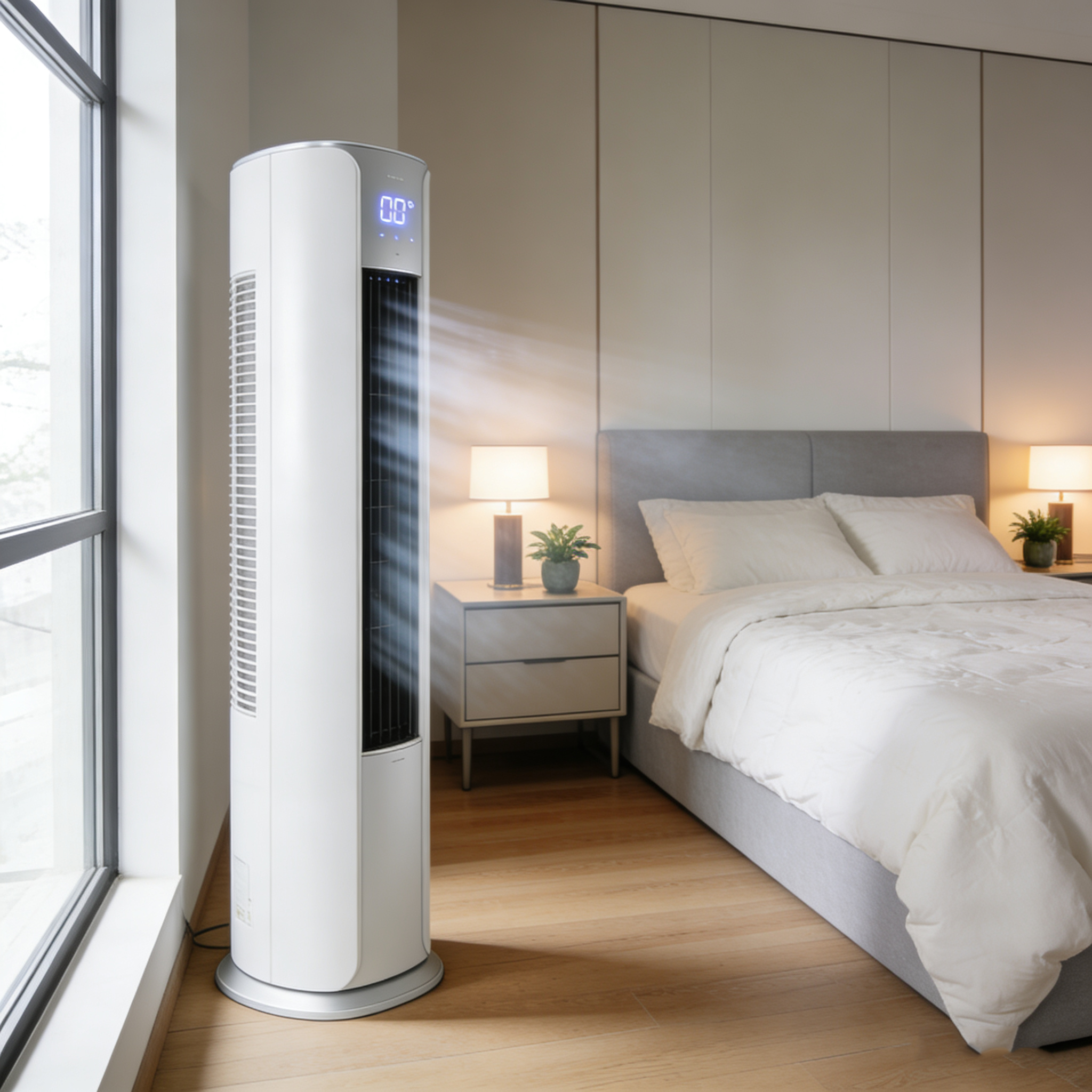
Still unsure whether your current setup meets industry standards? You’re not alone. In fact, over 60% of B2B buyers say they’d prefer suppliers who offer maintenance guidance—not just products.
Imagine receiving real-time alerts when your filters need attention—and even remote monitoring via app. That’s exactly what our AI-powered HVAC systems deliver.
See How Our Smart Filters Work 246
|
246
|
 smart PTZ camera
infrared light settings
AI human detection
night vision optimization
reduce false alarms
271
|
360 degree smart camera installation
PTZ camera placement tips
smart home security setup
cloud camera night vision optimization
wireless security camera configuration
310
|
HEPA filter efficiency
indoor air purification
multi-layer air filters
air filter maintenance
automated humidity control
387
|
smart PTZ camera installation
360 degree surveillance setup
cloud camera angle adjustment
AI motion detection tuning
night vision optimization
185
|
Smart PTZ camera installation mistakes
PTZ camera pitfall avoidance guide
Security camera installation skills
Infrared night vision setting optimization
Smart home monitoring installation tutorial
smart PTZ camera
infrared light settings
AI human detection
night vision optimization
reduce false alarms
271
|
360 degree smart camera installation
PTZ camera placement tips
smart home security setup
cloud camera night vision optimization
wireless security camera configuration
310
|
HEPA filter efficiency
indoor air purification
multi-layer air filters
air filter maintenance
automated humidity control
387
|
smart PTZ camera installation
360 degree surveillance setup
cloud camera angle adjustment
AI motion detection tuning
night vision optimization
185
|
Smart PTZ camera installation mistakes
PTZ camera pitfall avoidance guide
Security camera installation skills
Infrared night vision setting optimization
Smart home monitoring installation tutorial


