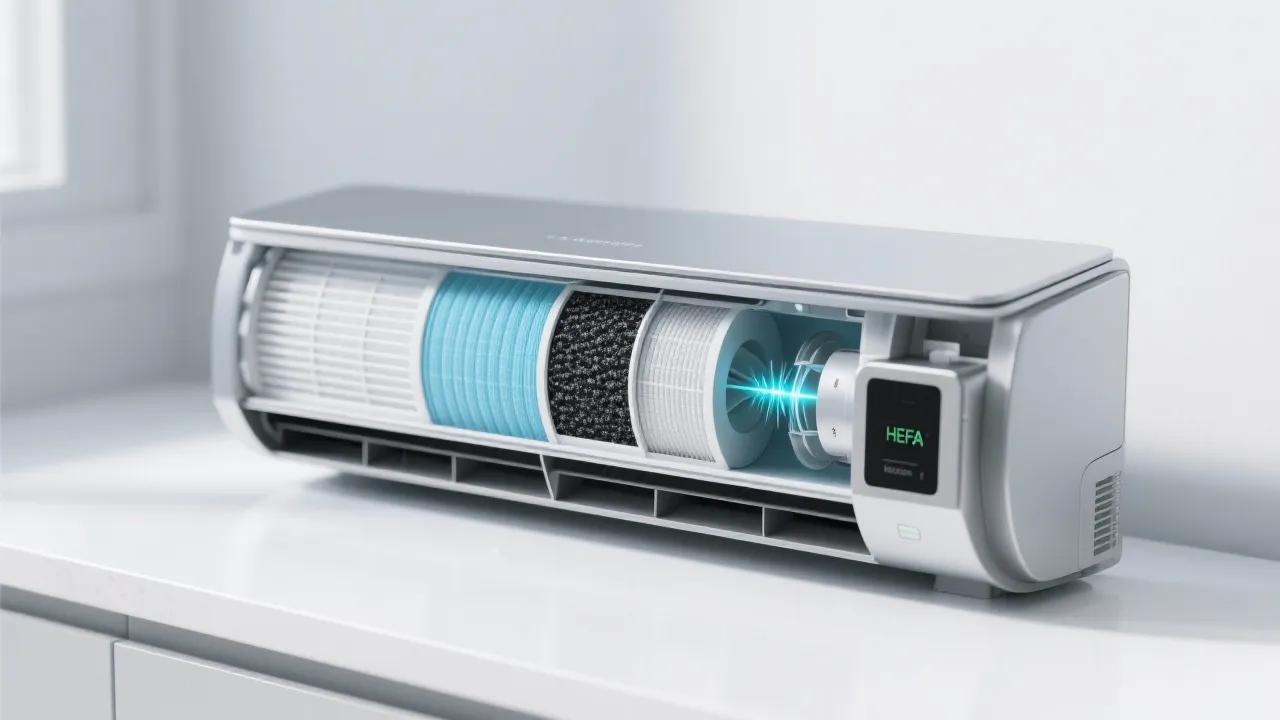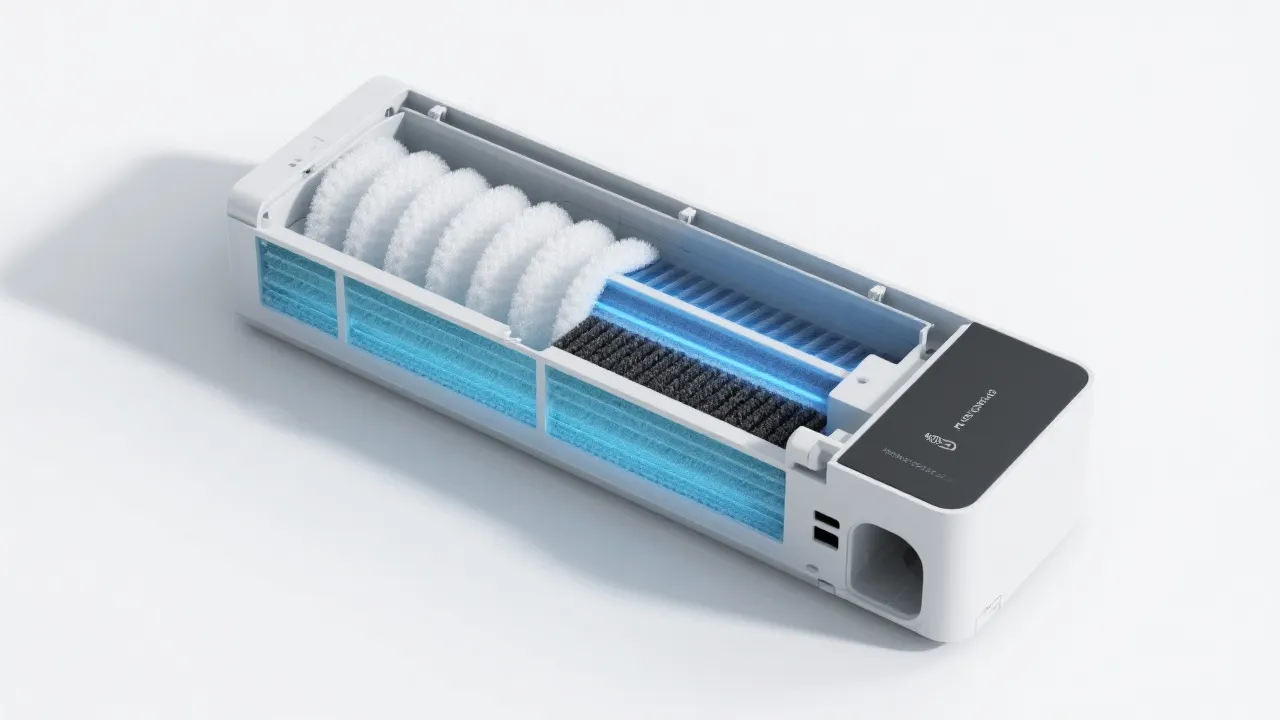

Indoor air pollution, especially fine particulate matter known as PM2.5, poses a significant health risk globally. Long-term exposure to PM2.5 can lead to respiratory problems, cardiovascular diseases, and reduced immune function. According to the World Health Organization (WHO), PM2.5 particles are small enough to penetrate deep into the lungs and even enter the bloodstream, making effective control of indoor PM2.5 critical for health.
Multistage filtration technology combines several layers of filters to target different classes of pollutants and particulate sizes. This approach ensures comprehensive purification performance and energy efficiency. Among the key filter categories:
These layers work synergistically; the pre-filter traps coarse particulates, allowing HEPA filters to focus on fine particulates including PM2.5, while activated carbon addresses gaseous pollutants, providing a holistic solution for indoor air quality improvement.
Modern air purifiers integrate high-precision sensors capable of detecting particulate concentrations and specific gases such as CO2, formaldehyde, and VOCs. These sensors enable smart adaptive control, automatically adjusting the filtration speed and alerting users when filter replacement is needed.
This real-time feedback loop not only optimizes energy consumption by avoiding unnecessary high-speed operation but also assures continuous protection by maintaining optimal indoor air conditions. For instance, sensor-triggered mode shifts can reduce power usage by up to 30% compared to manual operation, making smart purifiers both effective and energy-saving.
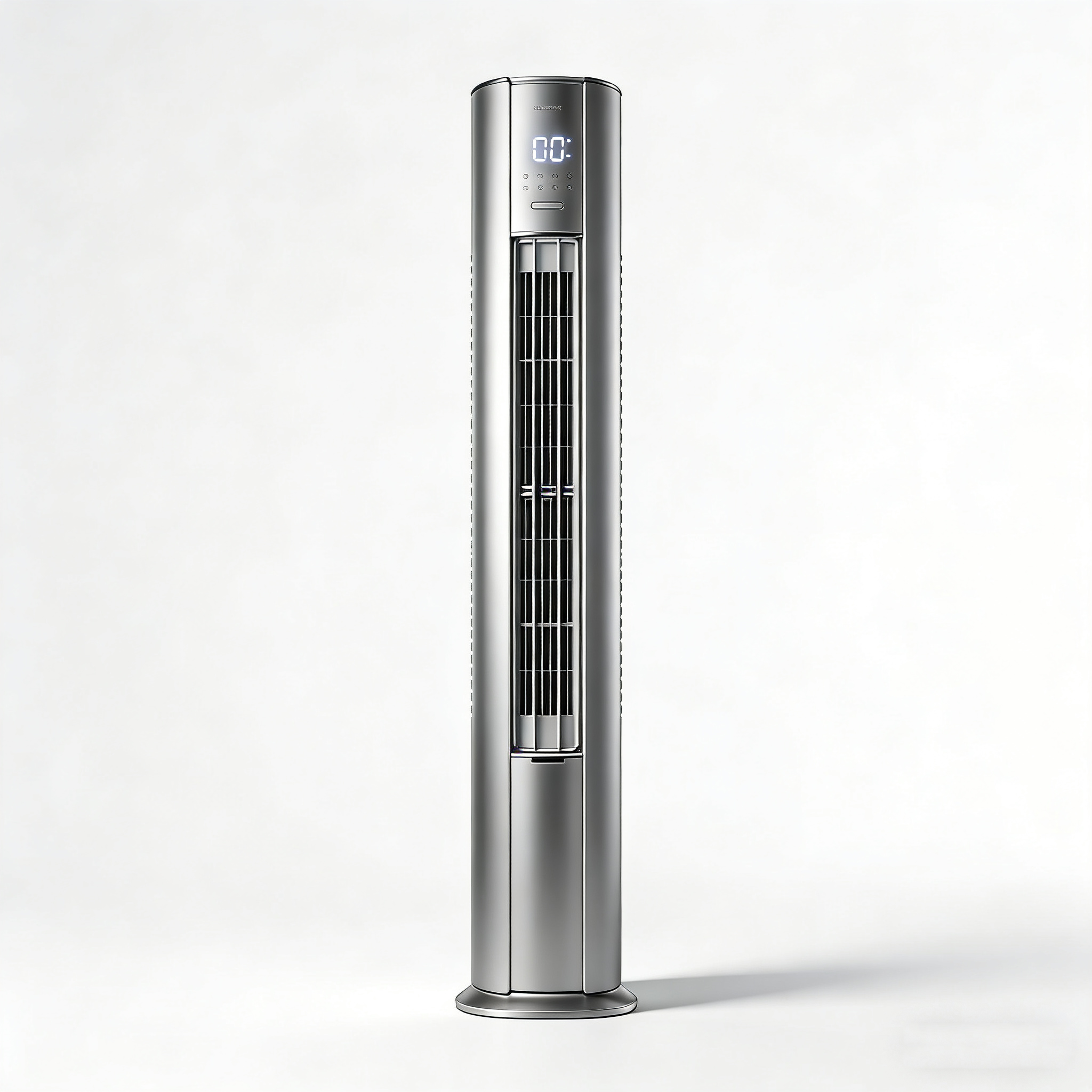
Different indoor environments present unique challenges requiring customized air purification strategies:
Implementing filters certified under EN 1822 and other international standards assures B2B buyers that products meet rigorous quality benchmarks. Moreover, selecting models equipped with smart sensors certified by independent testing labs adds a layer of trust critical for commercial contracts.

Maintaining filter efficiency requires routine attention. Generic guidelines include:
Such maintenance schedules ensure sustained performance, optimize energy costs, and guarantee compliance with health guidelines in demanding commercial environments.
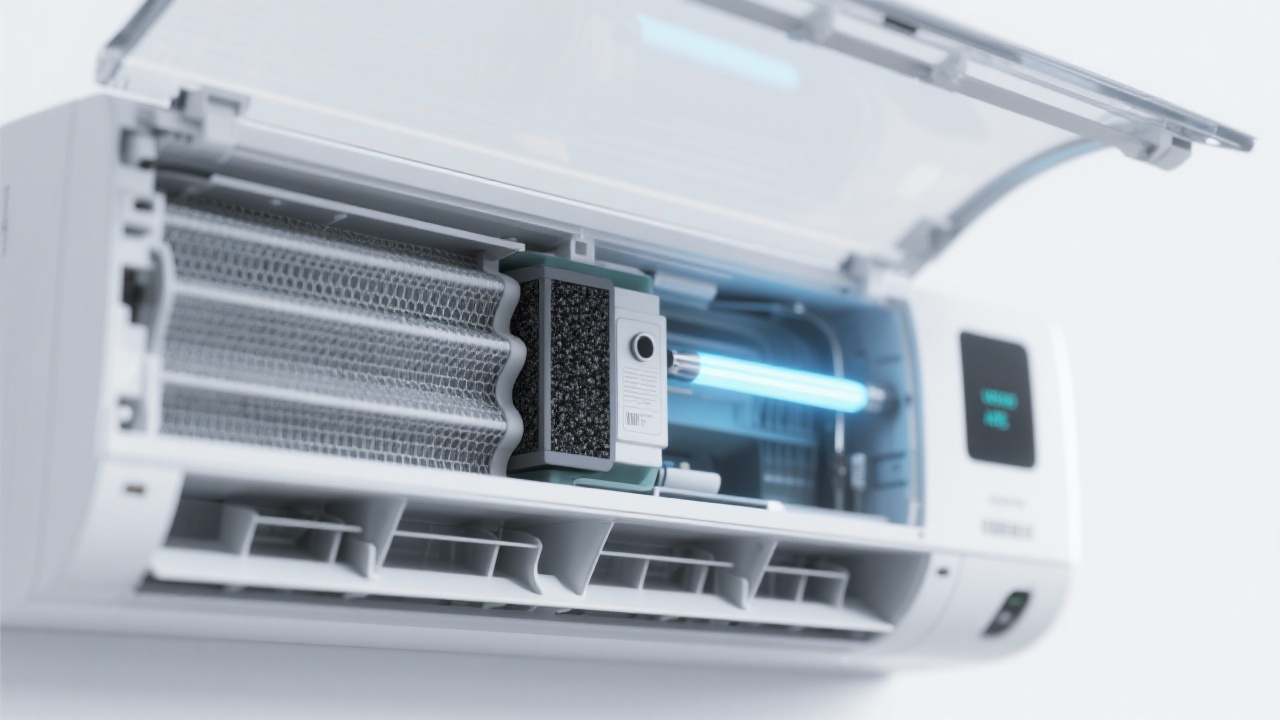
Experience unmatched indoor air quality with Smart Living’s advanced multistage filtration air purifiers — equipped with certified HEPA H13 filters and intelligent sensors, designed to meet the rigorous demands of homes, offices, and hotels.


 71
|
71
|
 multi-stage air filtration
HEPA filter performance
indoor air quality improvement
air filter evaluation
smart AC air purification
450
|
IP66 waterproof security camera
IP67 outdoor CCTV camera
IEC 60529 ingress protection rating
full-color night vision camera
AI human detection surveillance
433
|
smart lock compatibility
standard door fitting
smart home security
fingerprint recognition accuracy
remote access control
179
|
indoor air quality monitoring
PM2.5 removal technology
formaldehyde purification methods
HEPA filter function
multi-stage filtration system
153
|
AI food recognition technology
commercial kitchen food management
reduce food waste
smart refrigerator solutions
ERP system integration
multi-stage air filtration
HEPA filter performance
indoor air quality improvement
air filter evaluation
smart AC air purification
450
|
IP66 waterproof security camera
IP67 outdoor CCTV camera
IEC 60529 ingress protection rating
full-color night vision camera
AI human detection surveillance
433
|
smart lock compatibility
standard door fitting
smart home security
fingerprint recognition accuracy
remote access control
179
|
indoor air quality monitoring
PM2.5 removal technology
formaldehyde purification methods
HEPA filter function
multi-stage filtration system
153
|
AI food recognition technology
commercial kitchen food management
reduce food waste
smart refrigerator solutions
ERP system integration