

In modern life, indoor air quality has become a growing concern for people. A multi - layer air purification system plays a crucial role in improving indoor air quality. Let's delve into the scientific principles and practical effects of this system.
The multi - layer air purification system mainly consists of a pre - filter, a HEPA filter, and an activated carbon layer. According to a study from a well - known laboratory, the pre - filter can effectively block large particles such as dust and hair. It can remove up to 80% of particles larger than 10 microns. This initial filtering step reduces the burden on the subsequent filters.
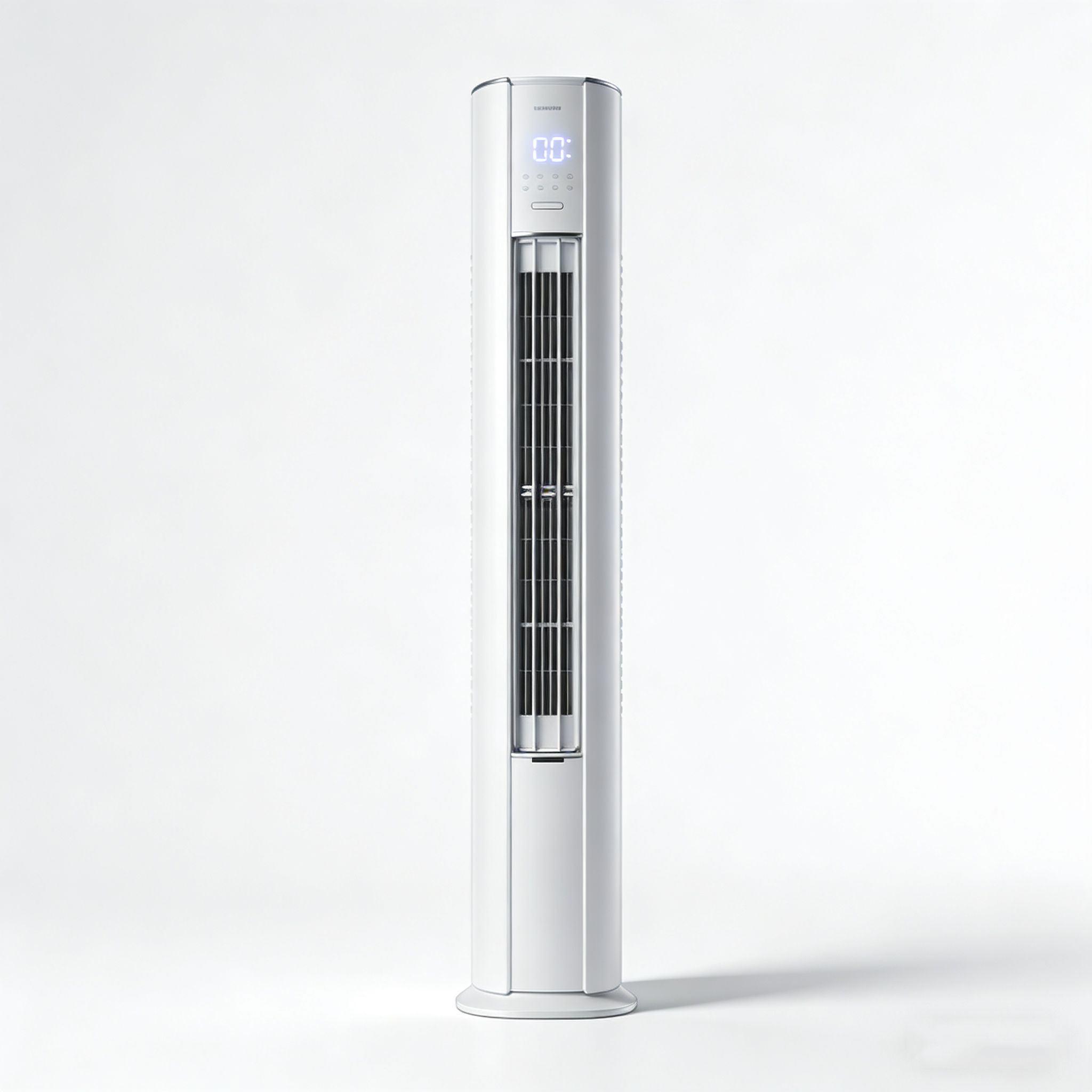
The HEPA filter is the core of the purification system. It can capture extremely small particles, including PM2.5 and allergens. Laboratory tests show that a high - quality HEPA filter can capture up to 99.97% of particles as small as 0.3 microns. Real - world user feedback also indicates that after using a purification system with a HEPA filter, the incidence of allergic reactions in families has decreased by about 30%.
The activated carbon layer is responsible for removing odors. It can adsorb various volatile organic compounds (VOCs) and unpleasant smells. In a test environment, it was found that the activated carbon layer can reduce the concentration of common VOCs by 70% within 24 hours.
To scientifically evaluate the performance of HEPA filters, several key indicators should be considered. The most important one is the Minimum Efficiency Reporting Value (MERV). A higher MERV rating means better filtration efficiency. For example, a MERV 13 filter can capture more fine particles compared to a MERV 8 filter.
Another important factor is the airflow rate. A filter with a high airflow rate can purify a larger volume of air in a shorter time. When choosing a HEPA filter, it is recommended to select one with an airflow rate that matches the size of the room. For a small room (about 20 - 30 square meters), a filter with an airflow rate of 100 - 150 cubic meters per hour is sufficient, while for a large room (over 50 square meters), an airflow rate of 200 - 300 cubic meters per hour is more appropriate.
Regular maintenance and timely replacement of filters are essential to ensure the continuous and efficient operation of the purification system. The pre - filter should be cleaned every 1 - 2 weeks, depending on the air quality in the environment. The HEPA filter usually needs to be replaced every 6 - 12 months, and the activated carbon layer should be replaced every 3 - 6 months.
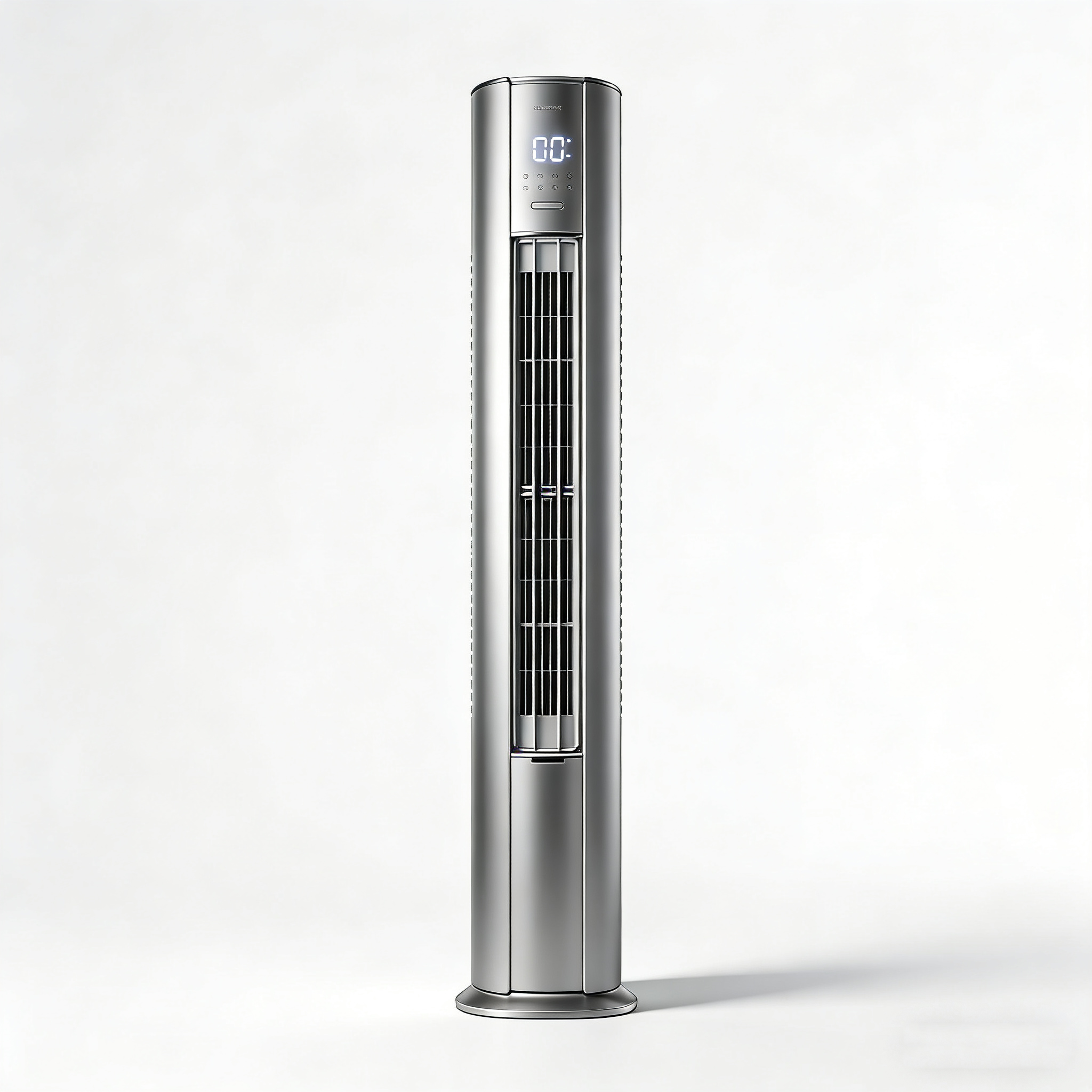
In addition to air purification, automatic humidity control is also an important aspect of indoor environment optimization. Maintaining a proper humidity level (between 40% - 60%) can not only improve comfort but also inhibit the growth of bacteria and mold. By combining the multi - layer air purification system with automatic humidity control technology, a more comprehensive indoor environment management solution can be provided.
Q: How can I tell if my HEPA filter needs to be replaced?
A: If you notice a significant decrease in the purification effect, such as an increase in dust or odors, or if the airflow from the purification system becomes weak, it may be time to replace the filter.
Q: Can I clean the HEPA filter instead of replacing it?
A: Generally, HEPA filters are not recommended to be cleaned. Cleaning may damage the fine fibers in the filter, reducing its filtration efficiency.
Are you interested in learning more about how a smart inverter air conditioner can further enhance your indoor air quality and comfort? Click here to explore our smart inverter air conditioner products and experience a new level of healthy living!
 185
|
185
|
 smart ptz camera permission settings
multi user remote access
enterprise camera management
ai security camera access
360 degree surveillance system
221
|
Intelligent PTZ camera
Multi - user permission management
Team collaborative surveillance
360 - degree panoramic security
AI human body recognition
239
|
smart camera network configuration
outdoor security camera setup
infrared night vision troubleshooting
AI person detection settings
multi-user access control
247
|
smart PTZ camera installation
360 degree surveillance setup
AI motion detection configuration
night vision camera settings
multi-user access control
246
|
360-degree smart PTZ camera installation
surveillance blind spot elimination
smart security camera setup
night vision optimization
multi-user access control
smart ptz camera permission settings
multi user remote access
enterprise camera management
ai security camera access
360 degree surveillance system
221
|
Intelligent PTZ camera
Multi - user permission management
Team collaborative surveillance
360 - degree panoramic security
AI human body recognition
239
|
smart camera network configuration
outdoor security camera setup
infrared night vision troubleshooting
AI person detection settings
multi-user access control
247
|
smart PTZ camera installation
360 degree surveillance setup
AI motion detection configuration
night vision camera settings
multi-user access control
246
|
360-degree smart PTZ camera installation
surveillance blind spot elimination
smart security camera setup
night vision optimization
multi-user access control


