
Selecting the right smart home devices for international markets can be complex. At Guangdong Zhijing Life Technology Co., Ltd., we have identified the top 5 common mistakes overseas customers encounter when purchasing smart home products. Recognizing these pitfalls helps businesses make informed procurement choices that ensure compatibility, quality, and seamless user experience across diverse regions.
Focusing solely on price can lead to purchasing products that do not meet durability or performance expectations. Intelligent home solutions should balance cost with reliability and advanced features to support long-term user satisfaction.
Overlooking the integration aspects can cause interoperability issues — whether with voice assistants, security platforms, or network protocols. Ensuring devices conform to regional communication standards and common smart home ecosystems is paramount.
Smart home products with complicated installation procedures or non-intuitive interfaces can increase post-purchase dissatisfaction. Prioritizing devices with straightforward setup and clear support documentation enhances adoption rates among end-users.
Each market has specific certification requirements—such as CE in Europe or FCC in North America—that ensure product safety and legal clearance. Choosing products without verified compliance risks customs delays, fines, and customer trust erosion.
Reliable after-sales service including technical support, warranty coverage, and spare parts availability is crucial for maintaining customer confidence. Selecting suppliers that offer comprehensive post-purchase assistance is essential for sustainable partnerships.
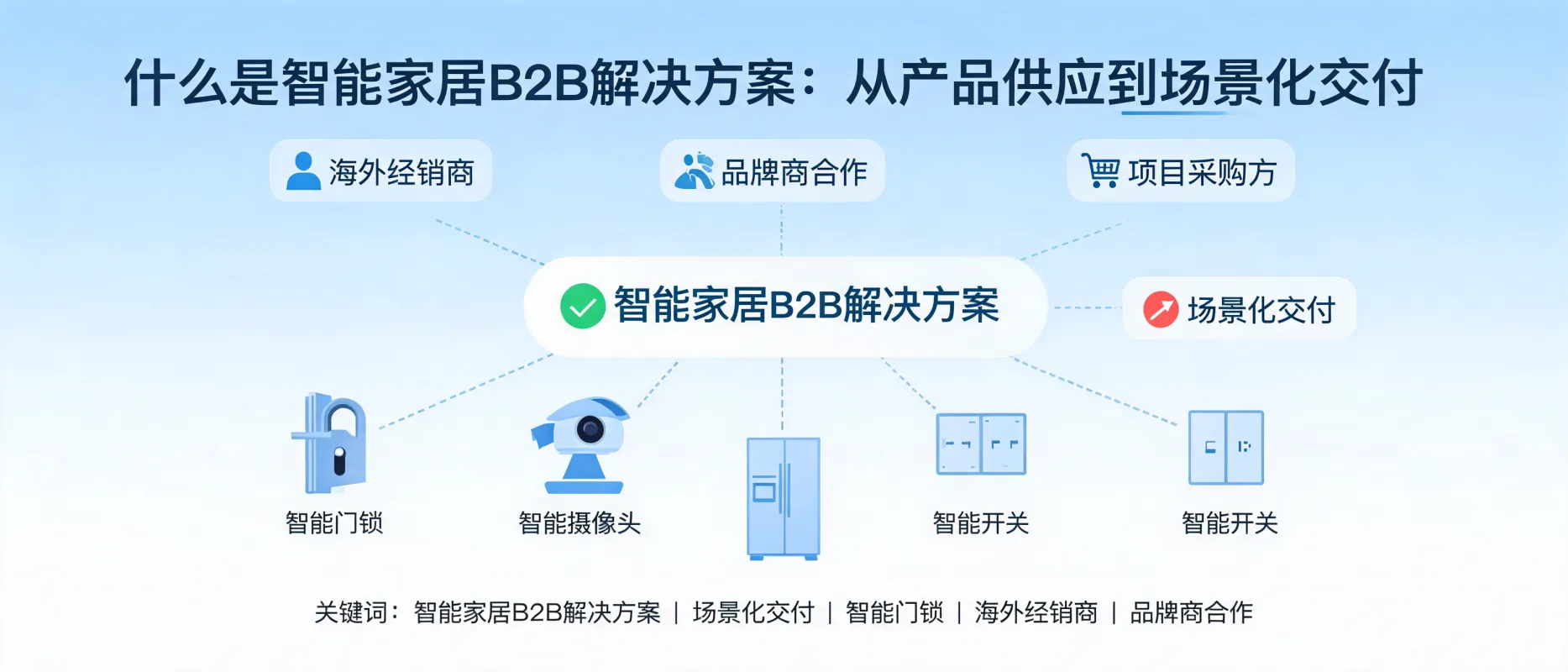
With over a decade of experience delivering smart home solutions globally, Guangdong Zhijing Life Technology Co., Ltd. integrates these insights to empower overseas buyers in making strategic procurement decisions. Our range of intelligent locks, cameras, switches, and home automation products are designed with stringent quality standards, extensive compatibility, and user-centric installation features.
By addressing these common selection mistakes, you can optimize your smart home product portfolio to meet the demands of diverse international markets while ensuring operational excellence and end-user satisfaction.
 233
|
233
|
 air purifier selection
indoor air quality
smart air purifiers
CADR matching
remote control air purifier
119
|
Guangdong Zhijing Life Technology
smart home overseas expansion
B2B cooperation
overseas market adaptation
channel partnerships
159
|
Guangdong Zhijing Life Technology
supplier evaluation
smart locks
smart cameras
smart switches
351
|
multi-stage
filtration
system
HEPA
filter
advantages
air
purification
technology
activated
carbon
filter
smart
air
purifier
395
|
Guangdong Zhijing Life Technology
smart home solutions
B2B procurement
smart locks
home automation
air purifier selection
indoor air quality
smart air purifiers
CADR matching
remote control air purifier
119
|
Guangdong Zhijing Life Technology
smart home overseas expansion
B2B cooperation
overseas market adaptation
channel partnerships
159
|
Guangdong Zhijing Life Technology
supplier evaluation
smart locks
smart cameras
smart switches
351
|
multi-stage
filtration
system
HEPA
filter
advantages
air
purification
technology
activated
carbon
filter
smart
air
purifier
395
|
Guangdong Zhijing Life Technology
smart home solutions
B2B procurement
smart locks
home automation